12 Risks of Ignoring Back Pain Treatment
- Wed Mar 25
Chronic pain can influence nearly every routine in a person’s day. Tasks that once felt simple—walking to the kitchen, lifting light items, or sitting for a while—may now require extra focus and energy. This ongoing strain can affect mood, movement, and overall comfort. Many residents in Beaumont, Alberta, seek ways to improve their daily routines without relying solely on short-term fixes. A steady plan rooted in practical steps can drive noticeable change. This is where Chronic Pain Treatment becomes central to creating a more manageable rhythm.
Chronic pain rarely changes overnight. It typically responds when people engage in repeated habits that support their bodies through movement, joint control, and targeted muscle work. Consistency builds a foundation that reduces setbacks and keeps progress moving forward. Chronic Pain Treatment approaches that focus on repetition, proper mechanics, and structured routines often create space for smoother motion and enhanced comfort over time.
Each person’s pain story is different. What works for one individual may not be ideal for another. Still, there are common strategies that integrate well into daily life. You can pair the strategies, rotate them through the week, or adjust them based on the body’s signals. Below are eight paths that many people in Beaumont use in chronic pain treatment.
Gentle movement is central to many Chronic Pain Treatment plans. Slow, steady activity helps keep joints mobile and encourages muscles to function with less strain. Walking at a relaxed pace, cycling at a low setting, or moving in warm water allows the body to stay active while reducing stress. The goal is to keep circulation flowing and ease stiffness without creating new challenges.
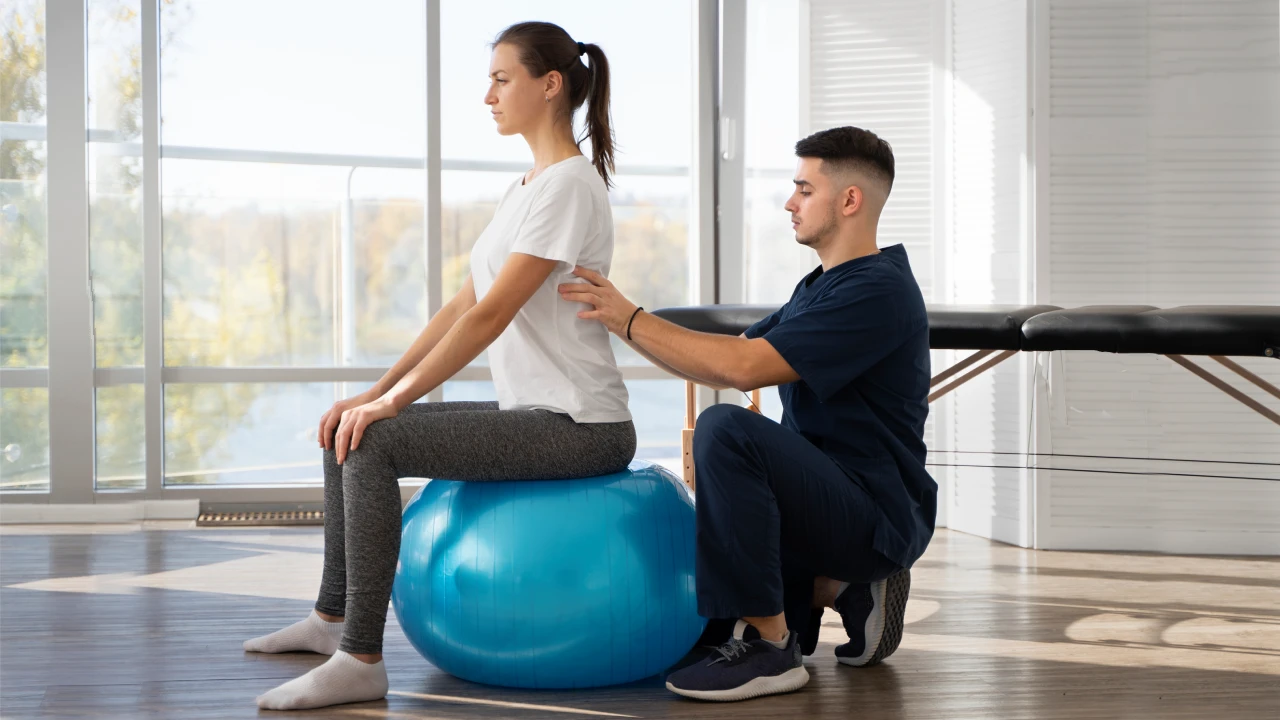
Physiotherapy plays a significant part in Chronic Pain Treatment because it focuses on body mechanics. A structured program may include guided movements, muscle-activation drills, or hands-on techniques that promote steadier joint control. This type of support helps people complete daily tasks more smoothly. Over time, these steady sessions help build familiarity with motion patterns that work in favour of the body rather than against it.
Applying warmth can help ease tight muscles, while cooling an area may calm irritation after activity. Many people in Beaumont pair these methods with other Chronic Pain Treatment strategies. You may use heat to warm the area before gentle exercises, and you can apply cold afterward to help reduce inflammation. This simple approach can easily blend into a morning routine or an evening wind-down.
Chronic pain is not only a physical challenge; it also shapes thoughts, focus, and reactions throughout the day. Slow breathing, quiet moments of stillness, or guided visual routines can calm the nervous system. Pairing these techniques with Chronic Pain Treatment often helps individuals notice improved control during physical activity. A calm mind supports a more relaxed body.
Small changes in Posture and environment play a valuable part in Chronic Pain Treatment. Adjusting a chair height, raising a monitor, modifying a car seat, or choosing footwear that supports proper alignment can reduce joint strain. These adjustments help people move more naturally during the day. They also minimize avoidable tension that can cause discomfort.
Slower Mobility drills help keep muscles and joints active within their natural range of motion. Many people incorporate small routines throughout the week as part of Chronic Pain Treatment. These movements do not need to be long or intense. Even a few minutes of stretching after waking up or before bedtime can make it easier to move through the day.
Learning how chronic pain behaves helps people plan their activities with clarity. This type of learning teaches pacing, body cues, and safe limits. When individuals understand how to adjust their movement, they can approach chores, work, and recreation with more Confidence. Education supports many other Chronic Pain Treatment strategies by providing the insight needed to choose safe, steady patterns.
A planned Chronic Pain Treatment approach that fits each person’s routine and challenges helps many individuals. Physiotherapists help develop methods that address specific areas of strain, Mobility limitations, and functional tasks people face daily. Whether the goal is to walk more comfortably, sit for longer periods, or manage recurring tension from work demands, a structured plan helps maintain a comfortable pace of progress.
Our clinic in Beaumont focuses on creating a dependable environment where people can explore Chronic Pain Treatment options that align with their lifestyle. Physiotherapists employ evidence-based approaches that support sustained improvement. They help each person move with purpose, practise movements safely, and build Confidence through repetition. Combine these strategies with the eight methods above, and many people notice their days gradually becoming easier and more manageable.
Chronic pain may be part of your life, but it does not need to control your life each day. By incorporating these strategies and following a structured approach, you can develop a more comfortable routine over time with dedication. For anyone in Beaumont seeking a clearer plan, Aim Physiotherapy and Wellness provides a setting where steady progress can begin.