Give us a Call
(780) 801-3669
Hip pain influences how a person walks, sits, sleeps, and completes daily tasks. Across Beaumont, many adults experience tightness, pulling, or sharp sensations around this joint, often without knowing why. A precise starting point is learning which patterns commonly lead to irritation. By recognizing early triggers, individuals can make steady changes before the issue grows. Inside a Physiotherapy Clinic, these patterns appear again and again, revealing how lifestyle, posture, and movement shape hip comfort.
This article explores 14 common triggers discussed in a Physiotherapy Clinic, how these patterns develop, and what someone can begin adjusting right away.
Most hip problems do not appear overnight. They gradually form from repeated habits, lack of variety in movement, or sudden changes in activity levels. As people across Beaumont enter different seasons—winter chores, spring walking trails, summer sports—hip demands shift. When those shifts happen without preparation, the hip can narrow its range, tighten, or strain.
Inside a Physiotherapy Clinic, these gradual changes are common. Movement assessments often reveal small behaviours that add up: long hours at a desk, limited core strength, uneven footing, or previous injuries altering everyday patterns. By spotting these trends early, the hip can handle daily routines with much more steadiness.
Our Physiotherapy Clinic often explains that hip discomfort rarely comes from one single cause. Instead, it tends to emerge from several overlapping factors. Below are 14 common triggers that regularly surface during consultations.
Long stretches in the same position create steady tension at the front of the hip. This is common for office workers and commuters in Beaumont. Our Physiotherapy Clinic often sees hip tightness in people who rarely change posture throughout the day.
When muscles around the hip do not contribute smoothly, nearby tissues take on more load. Our Physiotherapy Clinic regularly notices this during movement checks, especially in people returning to exercise after a break.
Beaumont’s outdoor paths attract runners year-round. Sudden increases in distance or pace can spark irritation. A Physiotherapy Clinic often sees friction-based issues from repetitive pounding on concrete.
Cycling, long drives, or desk work can shorten the front hip muscles. This creates pulling during walking or standing. Our Physiotherapy Clinic often identifies this through range checks and simple mobility tests.
Without steady support through the mid-section, the hip compensates during rotation. Our Physiotherapy Clinic works with many individuals who unknowingly shift weight through the hip instead of sharing the load across their trunk.
Flat arches or unstable steps can cause the hip to rotate inward more than needed. Our Physiotherapy Clinic commonly observes this pattern during walking reviews. Adjusting how the foot moves often helps calm the chain reaction.
Old ankle sprains, knee strains, or falls can quietly influence hip movement for years. A Physiotherapy Clinic frequently finds that past injuries cause the hip to move in altered patterns, even when the original injury feels “gone.”
Soccer, skating, and dance build strong muscles in some areas and underused muscles in others. That imbalance shifts the hip’s workload. Our Physiotherapy Clinic often helps athletes even out these patterns over time.
People in Beaumont often dive into yard work, shovelling, or long walks when the weather changes. When activity spikes suddenly, the hip may tighten or strain. A Physiotherapy Clinic helps people pace these transitions more steadily.
Sleeping with one leg rotated or unsupported can stress the joint overnight. Our Physiotherapy Clinic frequently hears about morning stiffness tied to sleep habits rather than daytime activity.
Many people habitually shift weight to one side when standing in lines, cooking, or doing chores. A Physiotherapy Clinic often notices that this uneven stance gradually strains one hip more than the other.
If the hip cannot rotate smoothly in or out, daily tasks become harder. Our Physiotherapy Clinic identifies these restrictions through light movement screens and targeted motion work.
Quick turns in sports or during unexpected missteps can strain deep tissues. Many Beaumont residents notice discomfort after recreational activities. Our Physiotherapy Clinic helps guide calm, structured movements to reset the joint.
Minor twinges, mild stiffness, or difficulty tying shoes are often the earliest hints that the hip needs attention. People frequently overlook these signals until they build into bigger challenges. In a Physiotherapy Clinic, early conversations usually revolve around these subtle clues.
Many people across Beaumont discover that once hip irritation becomes a regular occurrence, it becomes unclear which steps will actually change how the hip feels day to day. That’s where our Physiotherapy Clinic plays a key role. By checking how a person moves, sits, and walks, the clinic can map out practical steps suited to real-life activities—work routines, home tasks, commuting, and sports.
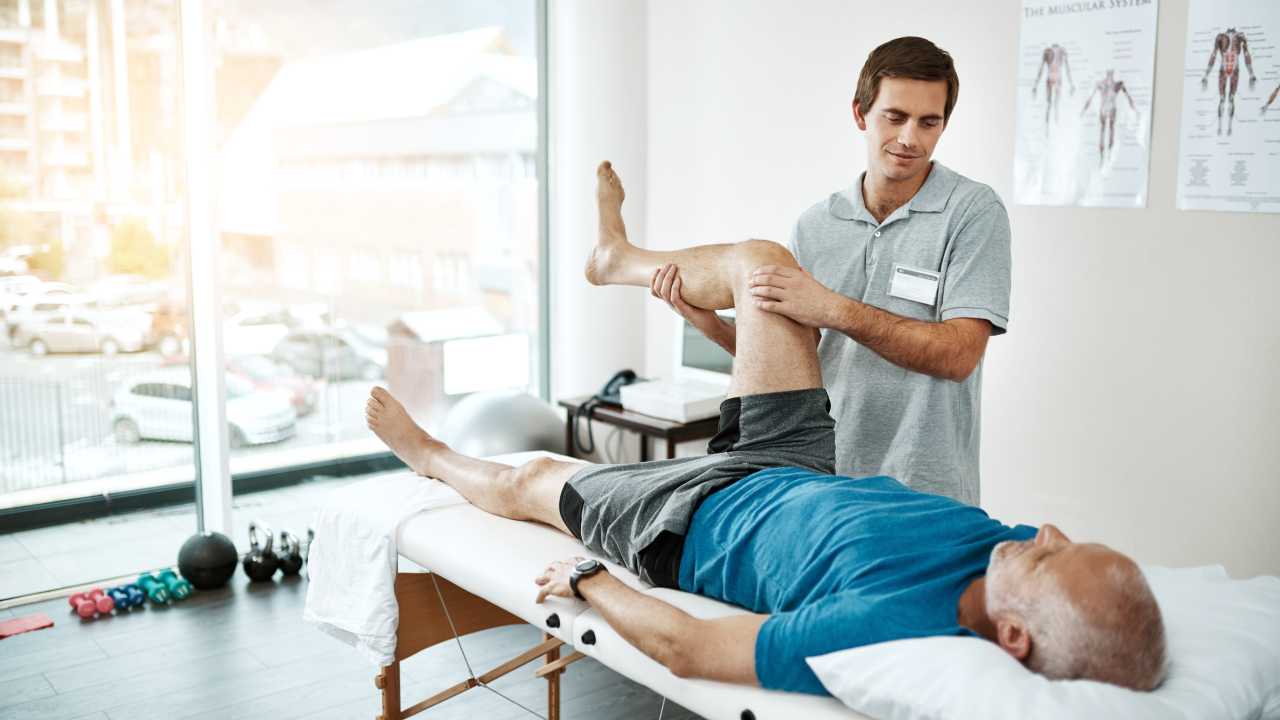
In our physiotherapy clinic, sessions often involve mobility work, controlled movement tasks, strength-building, and drills to help the hip move with a steadier alignment. This allows a person to learn what their body responds well to, giving them a structure they can keep using as daily habits evolve.
Suppose you’re noticing recurring stiffness, sharp moments during specific movements, or a growing sense of difficulty with daily tasks. In that case, our physiotherapy clinic can help you sort out where these triggers are coming from. For Beaumont residents seeking a clear, structured path, Aim Physiotherapy and Wellness provides care grounded in practical steps and steady progress.