Give us a Call
(780) 801-3669
Chronic pain affects millions of people in Beaumont, Alberta, limiting daily activities and impacting quality of life. Unlike temporary aches, chronic pain persists for months or years, requiring more than simple rest or medication. Effective chronic pain treatment addresses both the physical and functional challenges that long-term pain creates. Physiotherapists recommend structured strategies to manage symptoms, improve movement, and support long-term wellness. By approaching pain strategically, patients can regain control and participate more fully in everyday life.
Ignoring chronic pain can worsen Mobility, create dependency on medications, and even contribute to mental health struggles. Physiotherapists emphasize that early and proactive chronic pain treatment can prevent these issues and improve overall wellbeing. For residents of Beaumont, Alberta, where active lifestyles and outdoor activities are common, effective pain management is crucial to maintaining independence and enjoying everyday routines. A clinic-based approach ensures treatments are safe, monitored, and adapted to each person’s needs, delivering more reliable results than at-home strategies alone.
Physiotherapists combine multiple techniques to tackle chronic pain. The goal is not only to reduce discomfort but also to restore function, enhance Mobility, and equip patients with strategies to manage pain over time. Each treatment plan is tailored to the individual, taking into account the location and severity of the pain, daily habits, and long-term objectives. Below are nine strategies that physiotherapists consistently recommend as part of comprehensive chronic pain treatment.
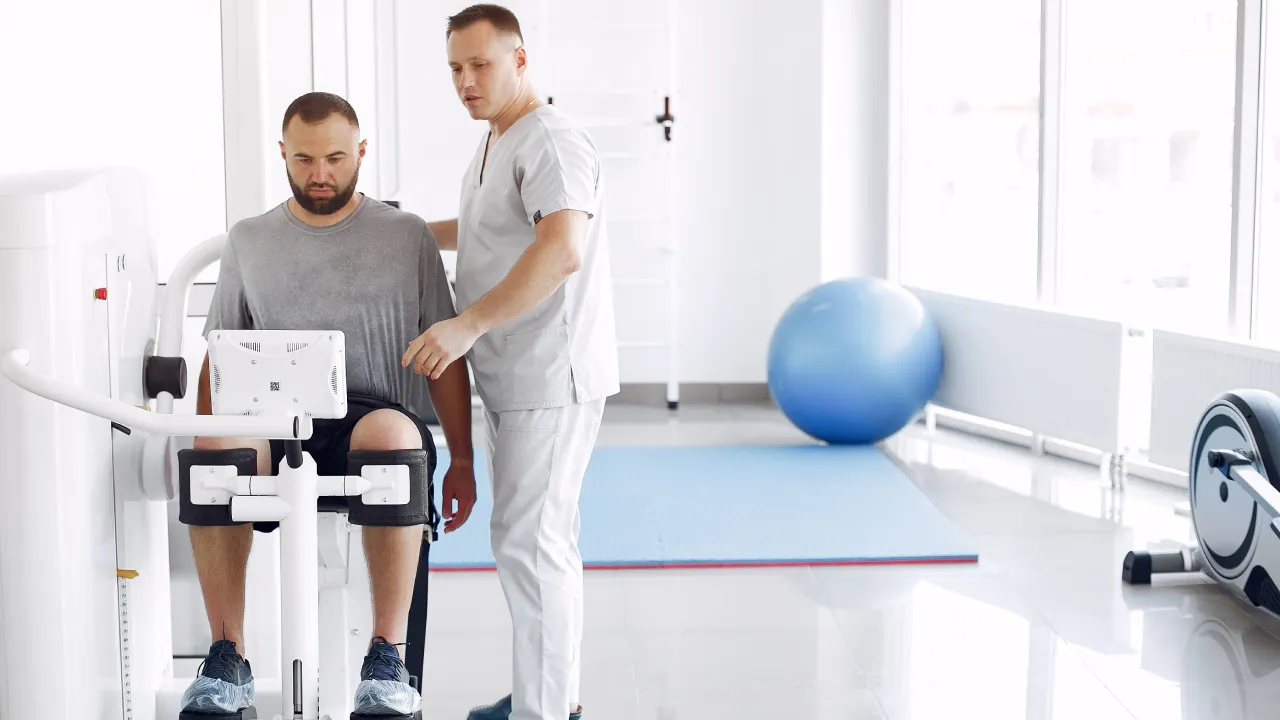
Exercise remains a cornerstone of effective chronic pain treatment. Physios design programs that strengthen weak muscles, improve flexibility, and enhance Posture. Structured exercises are carefully monitored to prevent further injury while promoting movement that supports healing. Patients benefit from increased strength and endurance, reducing strain on affected areas and lowering overall discomfort.
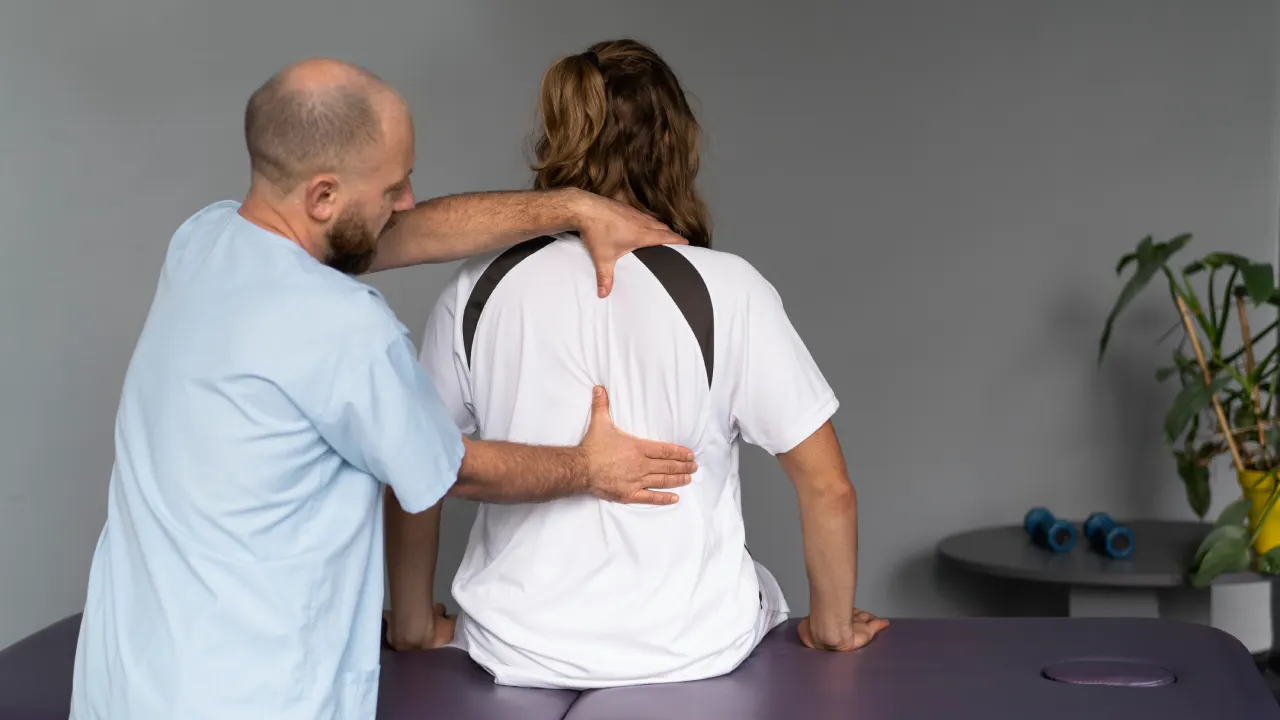
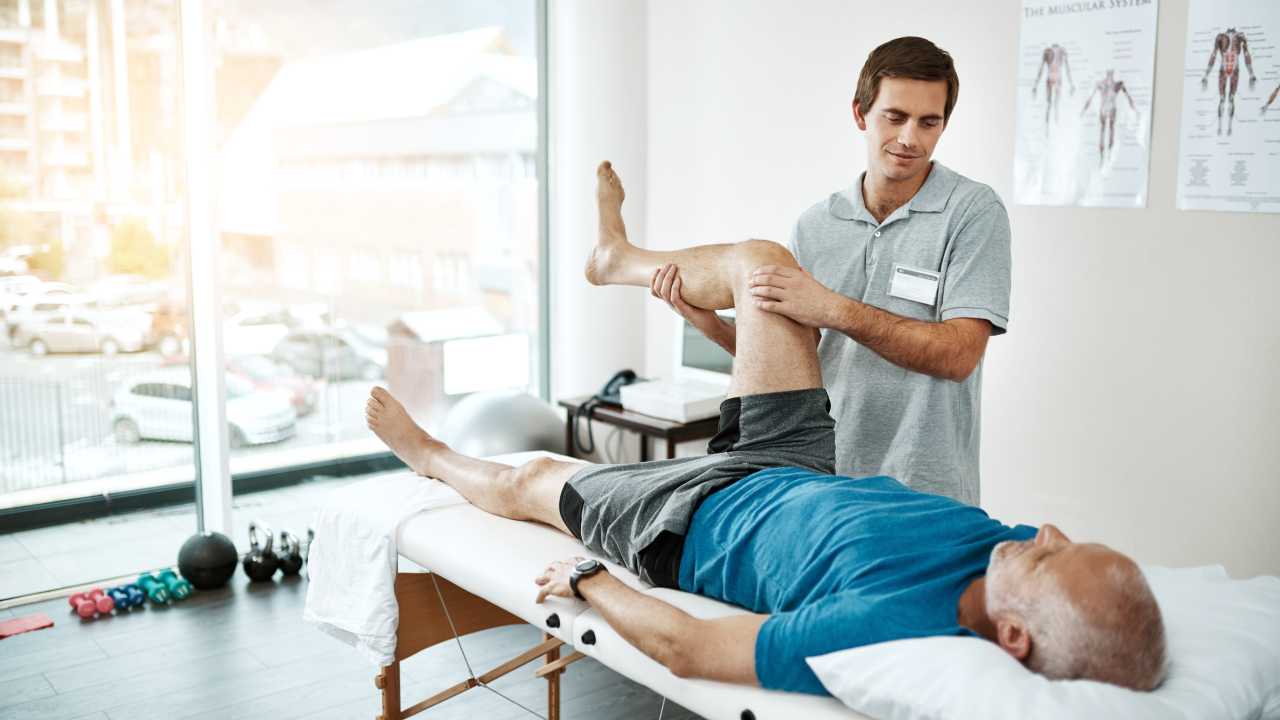
Hands-on treatment is highly effective for chronic pain. Techniques such as massage, joint mobilization, and soft tissue therapy improve circulation, reduce stiffness, and relieve tension in sore muscles and joints. Manual therapy is often paired with exercise programs to enhance mobility and improve daily comfort.
Knowing how to move safely is critical in managing chronic pain. Physiotherapists guide patients on posture, ergonomics, and proper lifting techniques. This guidance helps ensure that daily routines do not worsen pain and empowers patients to take an active role in their recovery. Learning small adjustments at work, at home, or during exercise can make a substantial difference in long-term outcomes.
Heat and cold therapies are simple, practical methods for immediate pain relief. Heat relaxes tight muscles and increases blood flow, while cold reduces inflammation and numbs affected areas. Physiotherapists often recommend alternating between the two, depending on the nature of the pain, to support other treatment strategies effectively.
Building core strength is essential for supporting the spine and reducing pressure on joints. Physiotherapists focus on exercises that improve stability, balance, and Posture. Over time, a stronger core can prevent recurring pain episodes and make daily activities easier and safer.
Stretching may appear basic, but its benefits in chronic pain treatment are significant. Gentle, controlled stretching improves joint range of motion and releases tight muscles. When incorporated into a daily routine, stretching reduces stiffness and prevents injuries that could worsen chronic pain, making it a reliable long-term strategy.
Chronic pain is both physical and emotional. Stress, anxiety, and poor sleep can amplify discomfort. Mind-body techniques such as deep breathing, relaxation exercises, and guided meditation complement physical therapies by helping patients manage their pain perception. Combining mental strategies with physical care creates a more complete approach to chronic pain treatment.
Improving posture can drastically reduce strain on joints and muscles. Physiotherapists evaluate patients’ workspaces, daily habits, and lifting patterns to recommend practical changes. Simple adjustments in how we sit, stand, or carry objects can prevent flare-ups and support the success of other chronic pain management strategies.
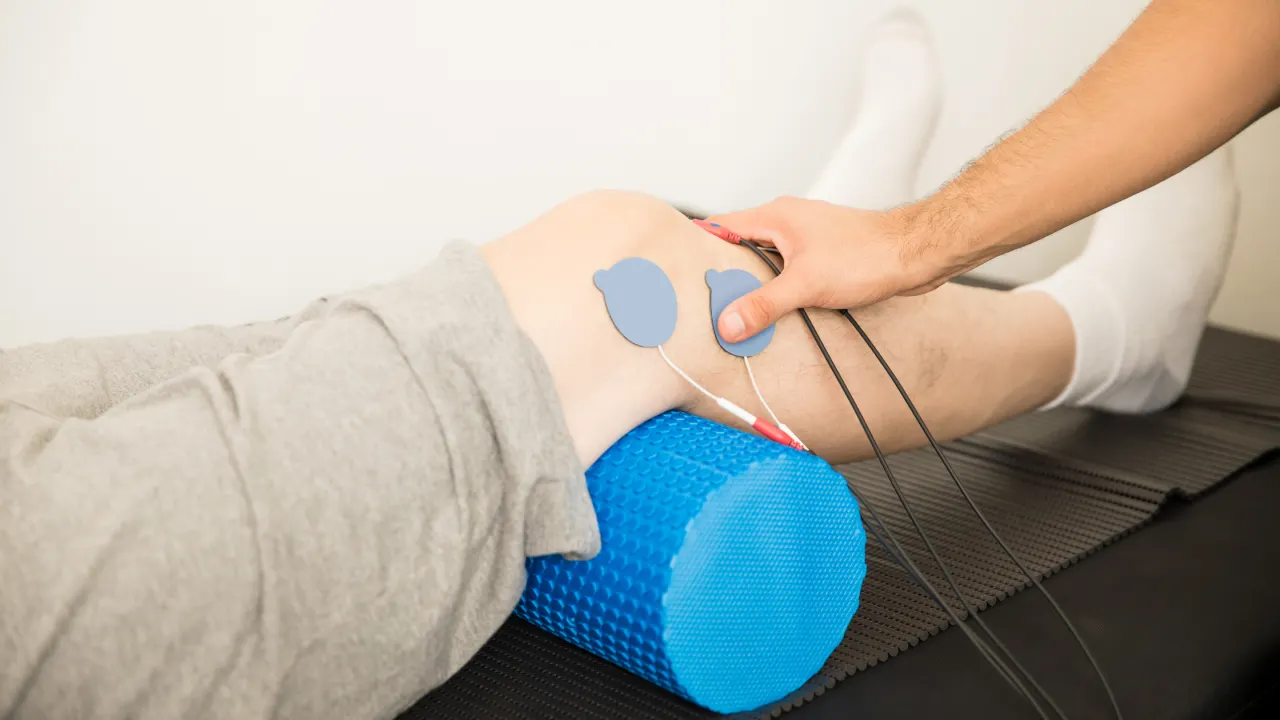
While home exercises and lifestyle changes are valuable, structured treatment in a clinic provides the best results. Our clinic offers fully supervised chronic pain treatment programs that combine exercise, manual therapy, education, and lifestyle guidance. Physiotherapists monitor progress, make adjustments as needed, and provide support to ensure consistent improvements.
Wikipedia states that chronic pain management often involves a multidisciplinary approach, combining physical therapy, education, and lifestyle modification to improve long-term outcomes.
For anyone in Beaumont, Alberta, struggling with persistent pain, accessing professional chronic pain treatment can be transformative. Our clinic ensures each patient receives a tailored plan that targets their unique needs. This approach maximizes recovery potential and allows individuals to regain independence and improve their quality of life.
Aim Physiotherapy and Wellness is dedicated to helping patients manage chronic pain effectively. With comprehensive programs and professional guidance, the clinic serves as a trusted partner in long-term pain management for the Beaumont community.