Give us a Call
(780) 801-3669
Athletic motion is the ability to move with control, coordination, and Confidence during sport and daily activity. After an injury, that motion often changes. Joints may feel restricted, muscles may not respond quickly, and movements that once felt automatic may feel awkward or unstable. This is where a Sports injury rehabilitation clinic plays a central role in guiding athletes back toward efficient movement patterns.
In Beaumont, active individuals often continue training or working through movement issues, which can create compensation patterns. Over time, these patterns limit performance and increase strain on other areas. Addressing motion early creates a clearer path back to consistent activity and reduces the risk of repeated setbacks.
Athletic movement is complex. It involves timing, strength, balance, and joint control working together. Rest alone rarely restores these systems. A Sports injury rehabilitation clinic focuses on how the entire body moves rather than isolating one sore area.
Without structured care, athletes may regain strength but still move inefficiently. This often shows up as reduced speed, limited rotation, or hesitation during sports actions. Targeted rehabilitation helps reconnect movement patterns so the body can handle training demands again.
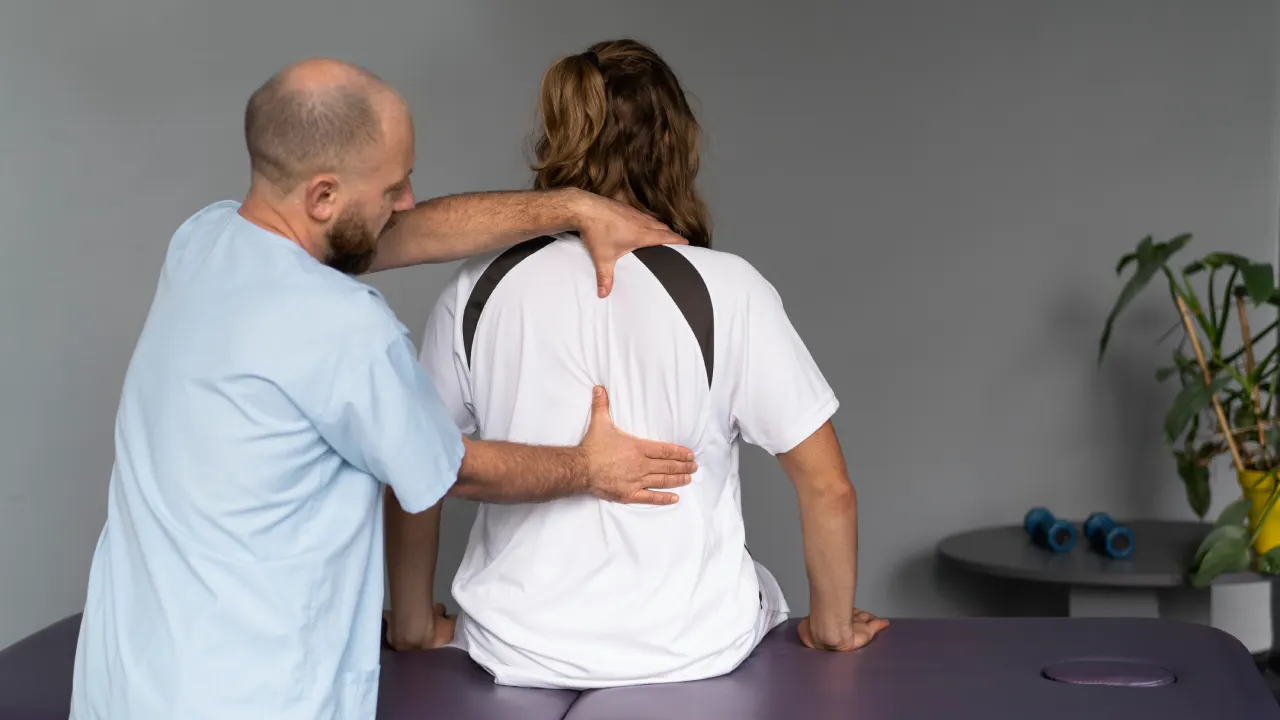
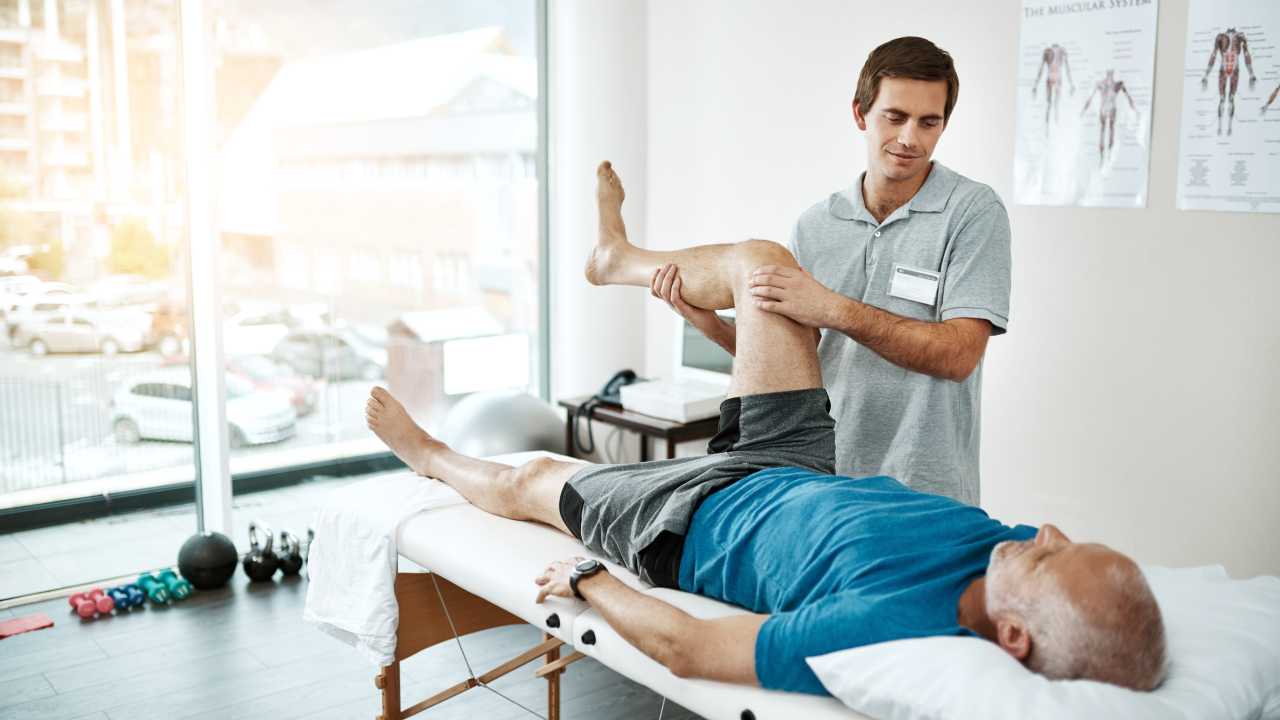
A Sports injury rehabilitation clinic begins with a full movement assessment. Clinicians observe how the athlete walks, squats, reaches, and rotates. This process highlights restrictions that affect motion even if they are not the original injury site. Identifying these links creates clarity and direction for the sessions ahead.
Restricted joints limit athletic flow. A Sports injury rehabilitation clinic uses progressive techniques to increase joint range of motion in a controlled manner. Athletes work through safe ranges before advancing to sport-related positions. This gradual approach allows tissues to adapt while maintaining joint control.
After an injury, muscles often lose coordination. A Sports injury rehabilitation clinic focuses on restoring timing between stabilizing and moving muscles. Exercises emphasize control rather than speed early on. As coordination improves, athletes experience smoother transitions between movements, such as acceleration, deceleration, and changes of direction.
Every sport demands specific patterns. A Sports injury rehabilitation clinic integrates drills that mirror real game actions. These may include pivoting, jumping mechanics, or overhead movement, depending on the athlete’s activity. Practising these patterns in a supervised setting builds confidence before returning to full participation.
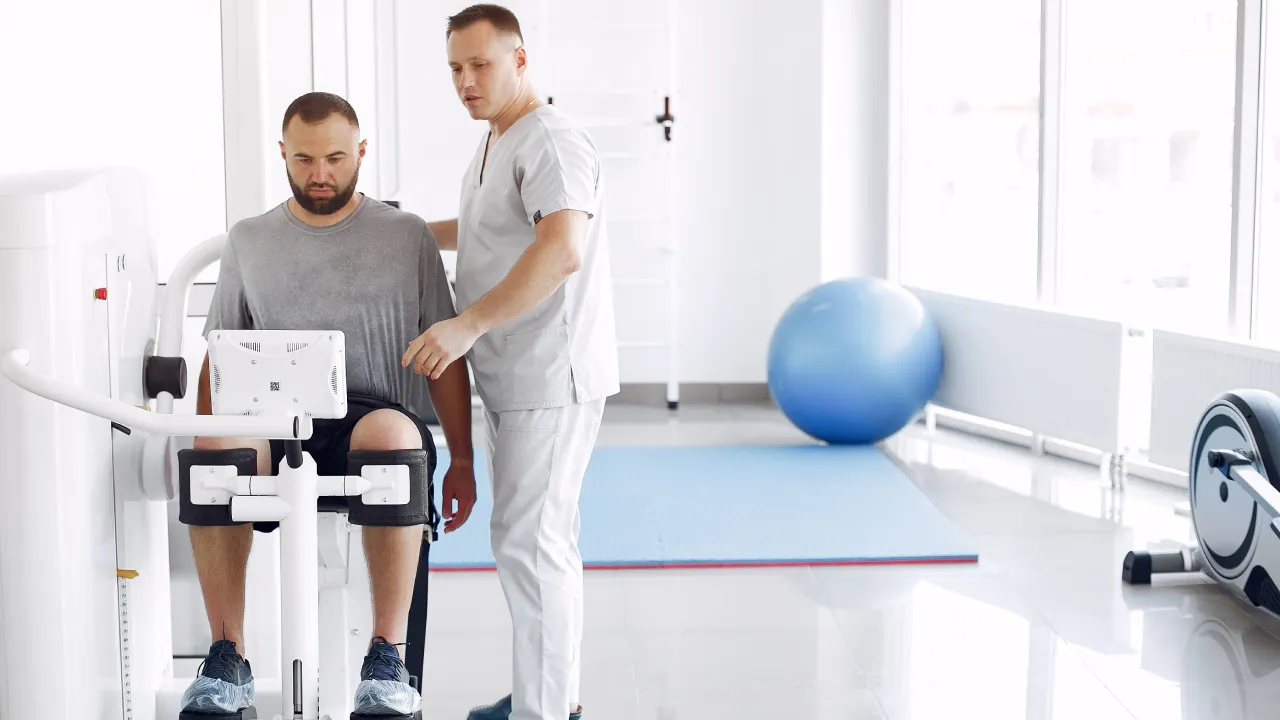
Returning too fast often leads to setbacks. A Sports injury rehabilitation clinic carefully monitors training volume and intensity. Athletes progress based on movement quality rather than timelines alone. This structured progression supports steady improvement while respecting tissue capacity.
Athletes benefit when they know how to move well outside the clinic. A Sports injury rehabilitation clinic provides practical guidance on warm-ups, posture, and recovery habits. These strategies support movement efficiency during training, work, and daily life, helping athletes stay consistent with their routines.
Seeing progress matters. A Sports injury rehabilitation clinic uses measurable markers such as joint range, strength ratios, and movement symmetry. Tracking these changes keeps athletes engaged and provides clear signals for advancing activity levels.
Confidence returns when movements feel reliable. A Sports injury rehabilitation clinic creates space for repeated practice under supervision. Athletes rehearse movements until they feel controlled and predictable. This repetition supports mental readiness alongside physical improvement.
Consistency drives results. Having a Sports injury rehabilitation clinic close to home allows athletes to stay committed to sessions without disrupting daily schedules. In Beaumont, local access supports regular attendance, which plays a key role in restoring athletic motion over time.
Athletes who train, work, and live in the same community benefit from care that fits their environment. Familiar surroundings often encourage better follow-through and long-term movement habits.
Many athletes wait until movement limitations begin to interfere with performance. However, a sports injury rehabilitation clinic can be beneficial much earlier, before faulty movement patterns become ingrained. Reduced range of motion, hesitation during sport-specific actions, or uneven movement patterns are common signals that structured care may be helpful. Wikipedia notes that sports injuries are common among athletes and often require timely rehabilitation to restore function, prevent recurrence, and support a safe return to physical activity. Early intervention supports smoother transitions back to activity and helps reduce unnecessary strain on other joints.
Restoring motion is not about rushing back. It is about rebuilding how the body moves. A Sports injury rehabilitation clinic provides the structure, progression, and guidance needed for that process. Athletes who commit to this approach often notice improved coordination, stability, and confidence during activity.
At our clinic, athletic motion remains the priority from the first session through advanced movement stages. For those seeking a dependable Sports injury rehabilitation clinic in Beaumont, Aim Physiotherapy and Wellness supports active individuals with a clear focus on movement quality, consistency, and long-term performance readiness.