Give us a Call
(780) 801-3669
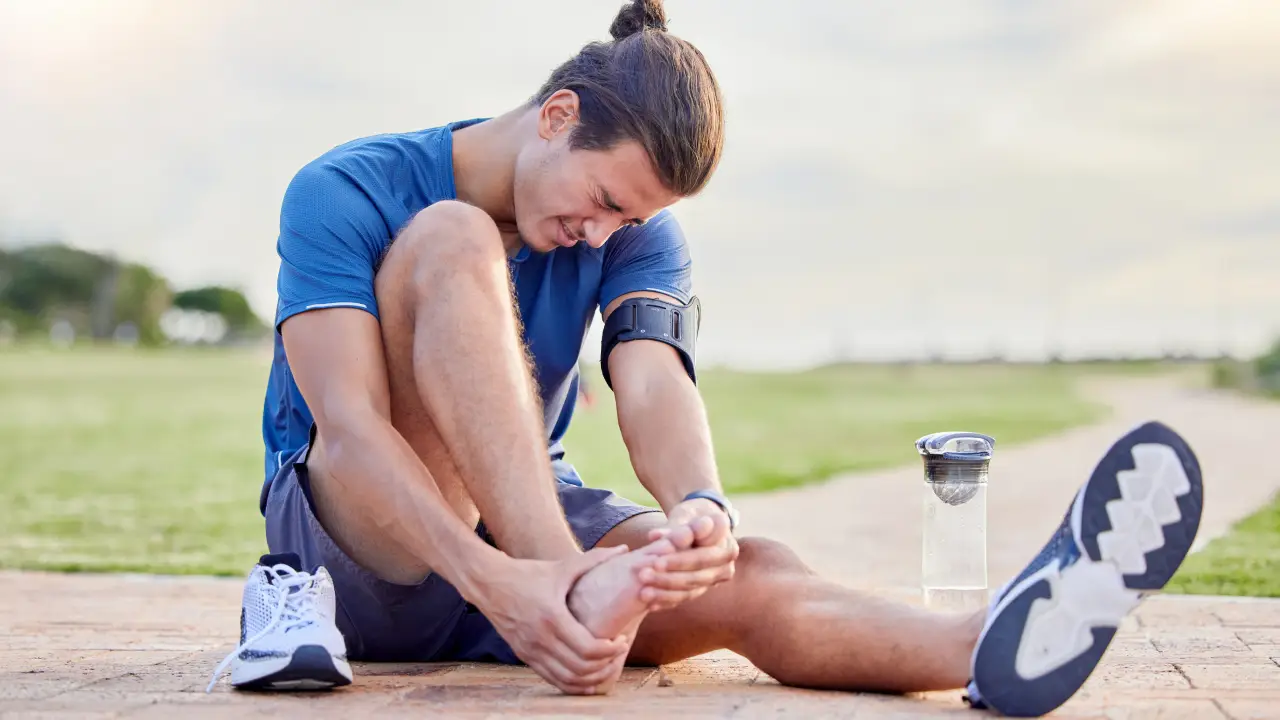
Plantar fasciitis can begin as mild heel discomfort and quickly progress into persistent pain that affects walking, training, and daily routines. When symptoms continue or worsen, seeking care at a Sports Injury Rehabilitation Clinic becomes an important step toward restoring movement and preventing long-term complications.
In Beaumont, Alberta, active individuals from recreational runners to competitive athletes often push through early warning signs. However, untreated foot pain can alter gait mechanics and strain other areas such as the knees, hips, and lower back. Understanding when to seek professional care can significantly improve recovery outcomes.
A structured plan at a Sports Injury Rehabilitation Clinic focuses on identifying the root cause of pain rather than simply managing symptoms. Plantar fasciitis is often linked to overuse, improper footwear, muscle imbalances, or sudden increases in training intensity.
In Beaumont, Alberta, seasonal sports and outdoor activities can contribute to repetitive stress injuries. Addressing these concerns early through guided therapy reduces the risk of prolonged discomfort and secondary injuries.
If your first steps in the morning remain painful for several weeks, this may signal inflammation that requires structured therapy at a Sports Injury Rehabilitation Clinic.
Discomfort that subsides during movement but returns afterward indicates strain on the plantar fascia. A Sports Injury Rehabilitation Clinic can evaluate biomechanics and training habits to reduce stress on the tissue.
Visible swelling or tenderness along the bottom of the foot may suggest worsening inflammation. Professional assessment at a Sports Injury Rehabilitation Clinic helps determine whether additional structures are involved.
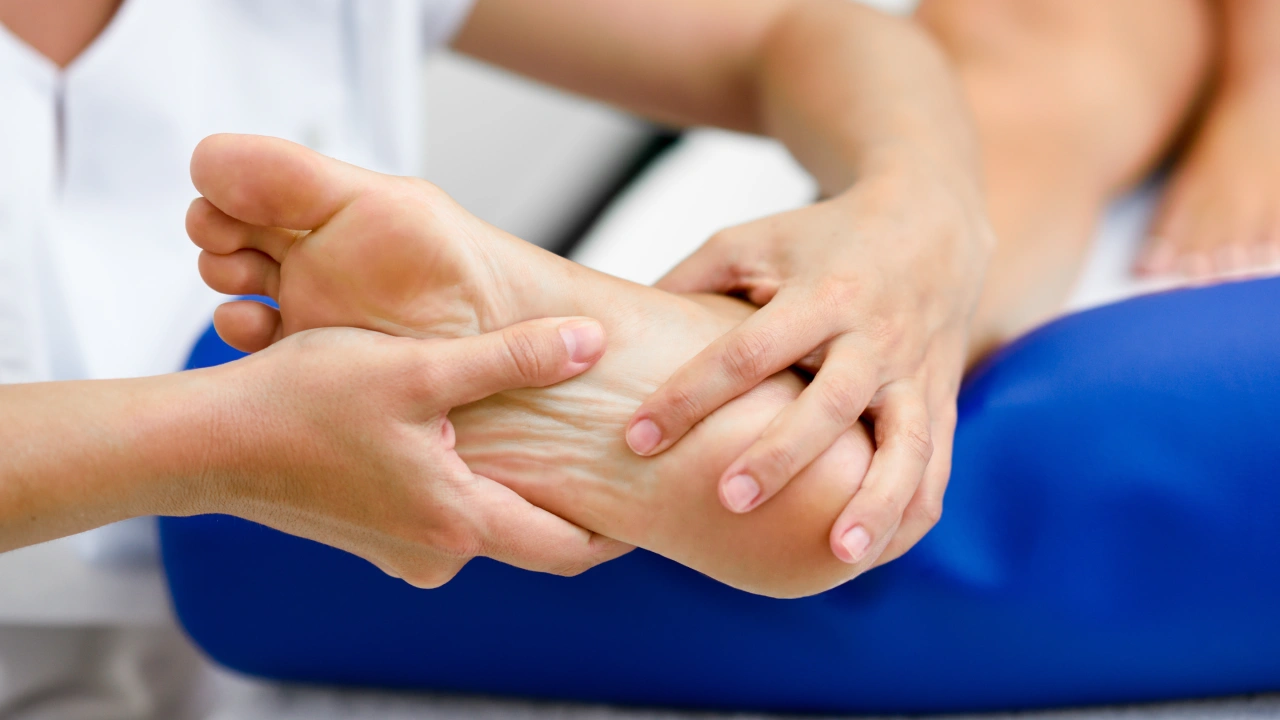
Restricted ankle movement places extra tension on the plantar fascia. Treatment at a Sports Injury Rehabilitation Clinic often includes mobility exercises and manual therapy to restore joint function.
When heel pain begins affecting surrounding muscles and tendons, compensation patterns may be developing. A Sports Injury Rehabilitation Clinic addresses these interconnected issues through guided rehabilitation.
If rest alone does not resolve symptoms, this suggests underlying mechanical factors. A Sports Injury Rehabilitation Clinic can develop a progressive loading program to support tissue recovery.
Athletes in Beaumont who struggle to resume running, soccer, or fitness routines may benefit from a return-to-activity plan at a Sports Injury Rehabilitation Clinic to rebuild strength safely.
While plantar fasciitis is common, clinics in Beaumont also manage:
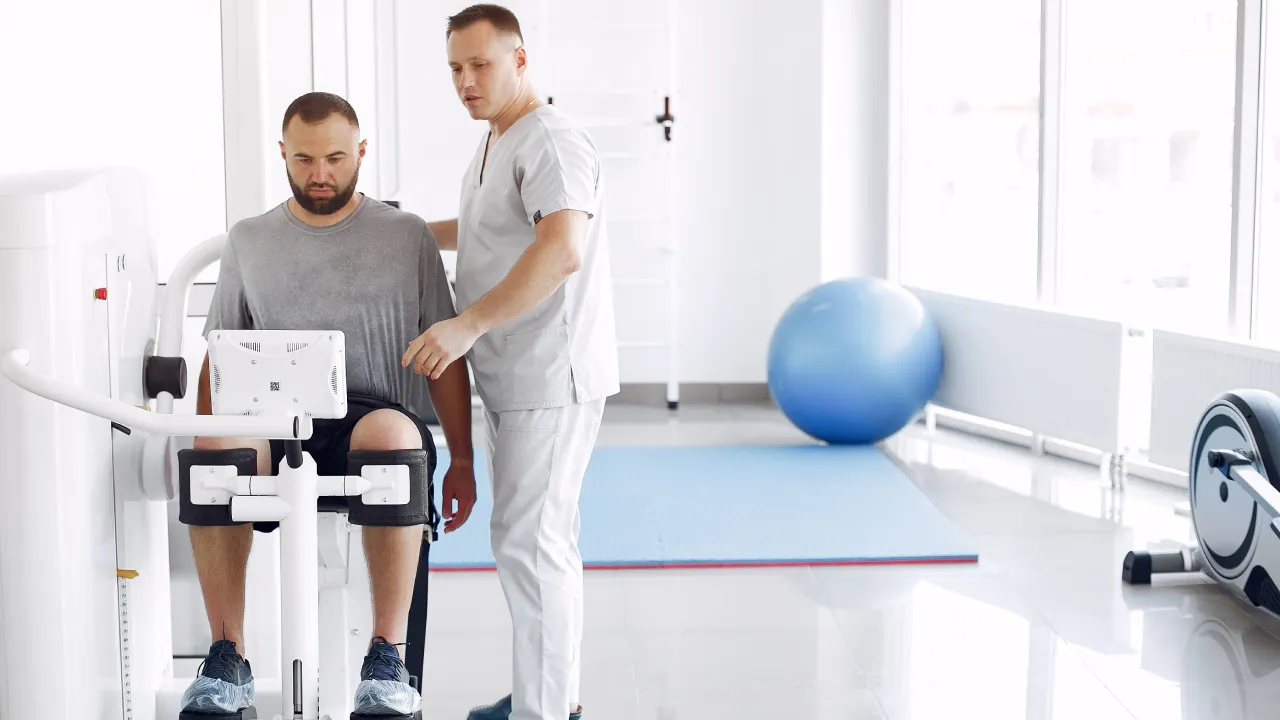
Structured rehabilitation is important because incomplete recovery increases the risk of recurrence. A Sports Injury Rehabilitation Clinic focuses on restoring mobility, rebuilding strength, and improving movement patterns to reduce future setbacks.
Understanding the process can ease uncertainty about beginning treatment.
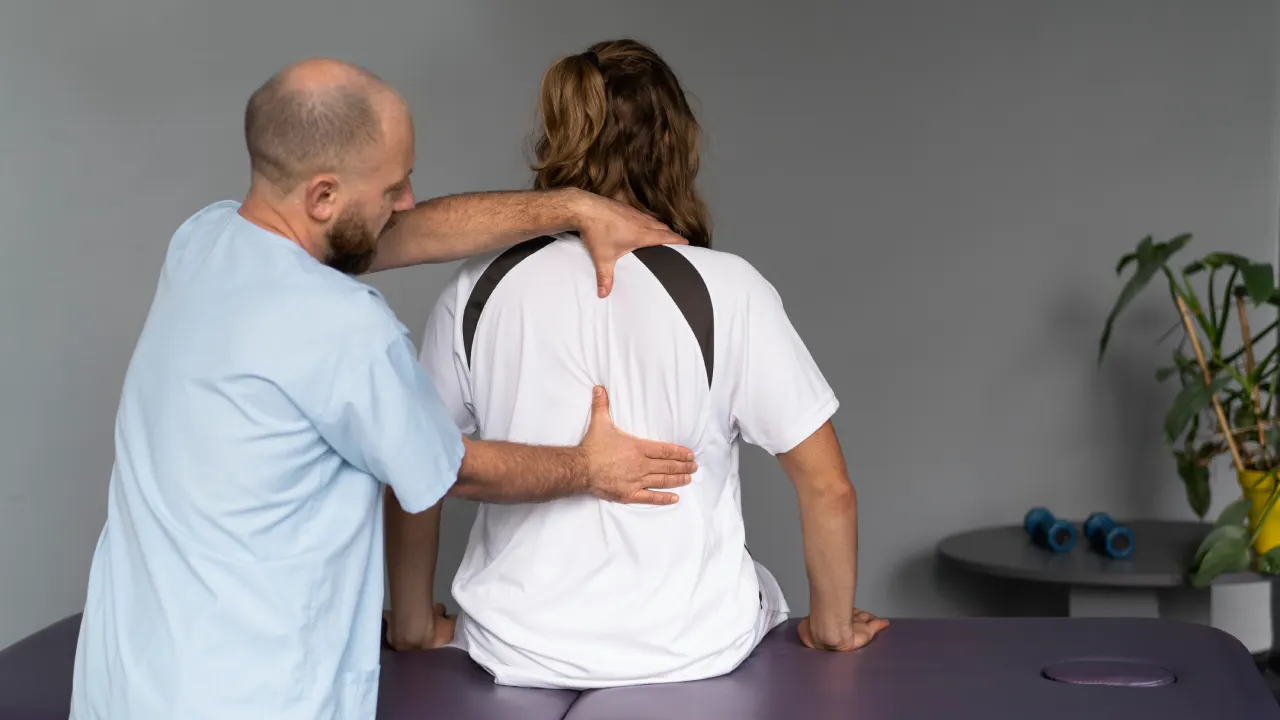
Your first visit to a Sports Injury Rehabilitation Clinic typically includes a detailed review of medical history, activity levels, and movement analysis. Clinicians assess posture, gait, flexibility, and strength to pinpoint contributing factors.
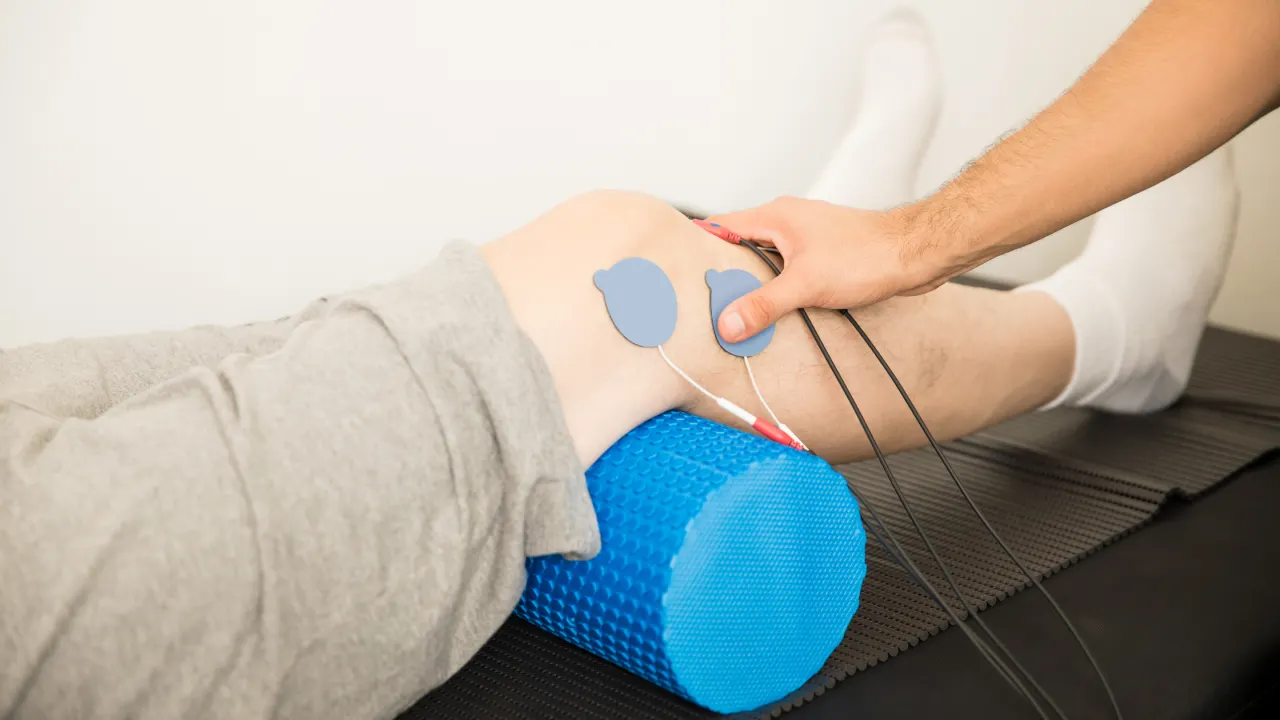
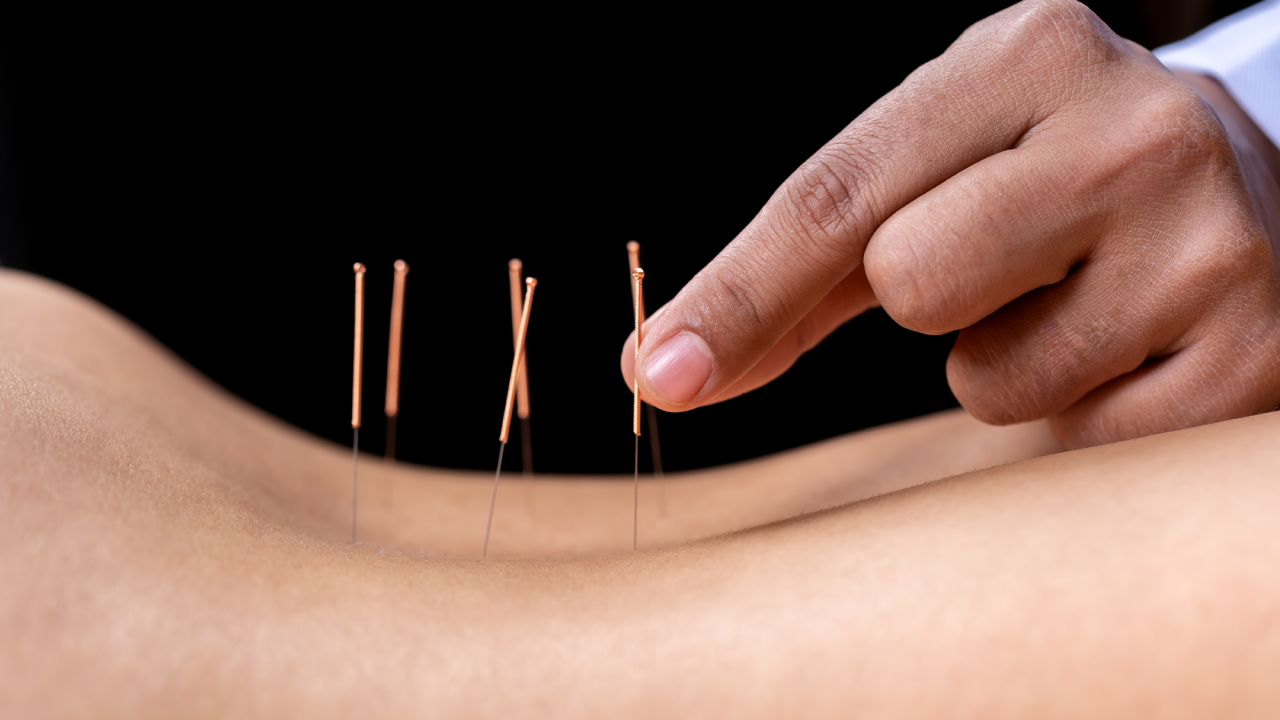
Treatment may involve:
Each plan at a Sports Injury Rehabilitation Clinic is designed to match your activity goals and physical condition.
Healing varies depending on severity and exercise compliance. A Sports Injury Rehabilitation Clinic monitors progress regularly and adjusts programming to maintain steady improvement.
Gradual progression is essential. Your Sports Injury Rehabilitation Clinic will guide you through phased increases in activity to support safe participation in sports and daily tasks.
Choosing care close to home offers several advantages:
Having a Sports Injury Rehabilitation Clinic within Beaumont allows for consistent appointments and easier scheduling.
Clinicians familiar with local sports leagues and activity patterns understand common injury risks in the area.
Regular follow-ups at a Sports Injury Rehabilitation Clinic ensure exercises remain effective and adjustments are made promptly.
At Aim Physiotherapy and Wellness, patients receive attentive assessment and structured rehabilitation tailored to their needs. The clinic serves athletes and active individuals across Beaumont, Alberta, treating foot pain and a range of sports-related injuries.
With a strong focus on functional recovery, Aim Physiotherapy and Wellness emphasizes movement correction, progressive strengthening, and education to help patients return to activity confidently.
If pain lasts longer than 2 weeks, interferes with walking, or recurs, assessment at a Sports Injury Rehabilitation Clinic is advisable.
Many physiotherapy clinics accept direct bookings, but it is best to confirm with your provider.
Recovery timelines vary. Mild cases may improve within weeks, while persistent cases require several months of guided therapy.
Yes. Strengthening, Mobility work, and gait correction reduce strain on the plantar fascia and lower the risk of recurrence.
Absolutely. A Sports Injury Rehabilitation Clinic supports anyone experiencing musculoskeletal pain, whether related to sport or daily activity.
Persistent heel pain should not limit your Mobility or participation in the activities you enjoy in Beaumont, Alberta. Early assessment and structured care can help address the source of discomfort and support a safe return to movement.
If you are experiencing plantar fasciitis flare-ups, consider scheduling an evaluation with a qualified Sports Injury Rehabilitation Clinic in Beaumont. Book an appointment today and begin a guided path toward improved function and Confidence in your daily activities.
Chronic pain management in Beaumont
Motor Vehicle Injury (MVA) treatment in Beaumont