Give us a Call
(780) 801-3669
An active lifestyle can include walking, running, cycling, gym workouts, recreational sports, hiking, or simply staying mobile throughout the day. Regular movement can support strength, mobility, coordination, and daily function, but activity can also place repeated demands on muscles, joints, tendons, and ligaments. This Care can be part of a practical plan for people who want to keep moving, address movement concerns, and return to activities after an injury.
For residents of Beaumont, AB, Aim Physiotherapy and Wellness provides care focused on movement, physical function, and activity-related concerns. Whether you are dealing with a recent strain, recurring discomfort, reduced mobility, or a change in how you move, an assessment can help identify factors that may be affecting your activities.
Small movement problems can gradually affect the way you exercise or complete everyday activities. You may notice stiffness after sitting, discomfort during a workout, reduced range of motion, or difficulty performing a familiar movement.
Care may include exercises, mobility work, strength activities, movement education, and activity modifications based on your needs. The aim is to address contributing factors while helping you stay involved in appropriate forms of activity.
For active adults in Beaumont, AB, such care can be useful when a physical concern starts changing your walking, running, lifting, stretching, or recreational routine.
Strength and mobility work can play an important role in an active routine. When one area is weak, stiff, or less coordinated, other parts of the body may take on additional workload.
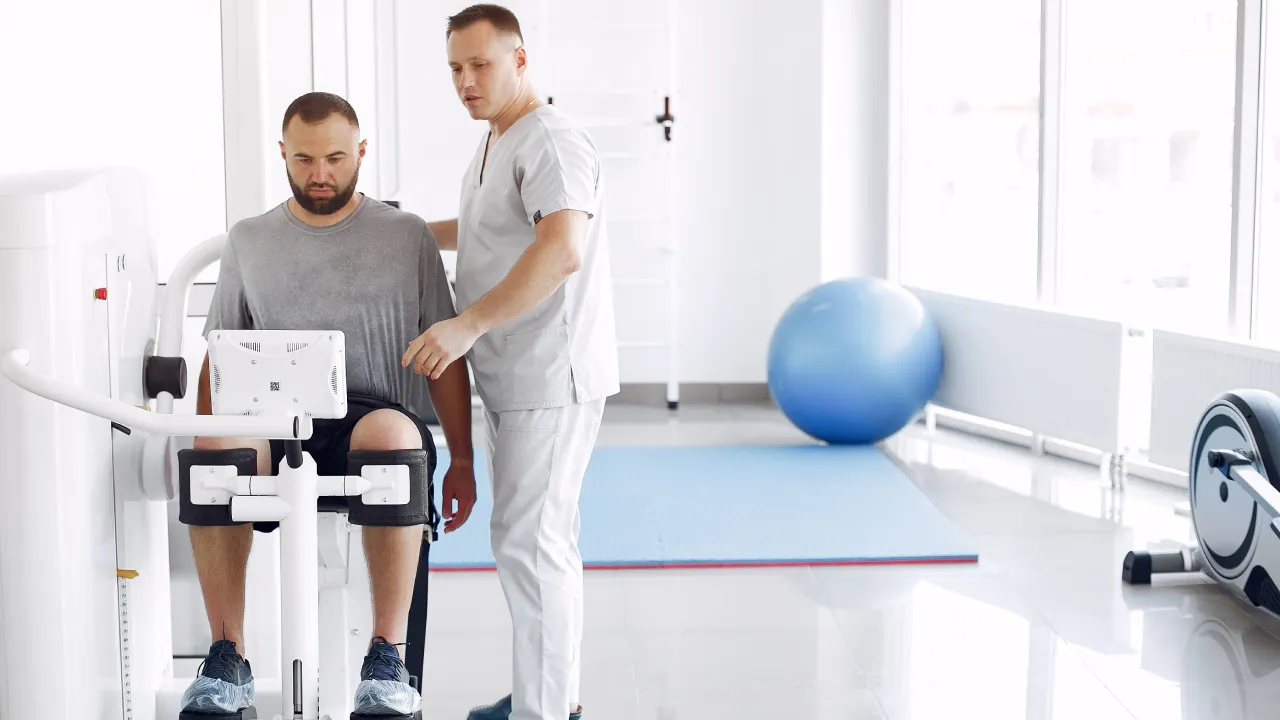
A plan may include progressive exercises that focus on strength, flexibility, balance, coordination, and movement control. These activities can be adjusted as your abilities change.
This approach can fit different activity levels. Someone returning to walking after a period of inactivity may have different needs from a recreational athlete preparing for a demanding season.
A sports injury, workplace strain, fall, or sudden movement can interrupt an active lifestyle. Returning to activity too quickly may place additional stress on an area that has not yet developed adequate strength or movement capacity.
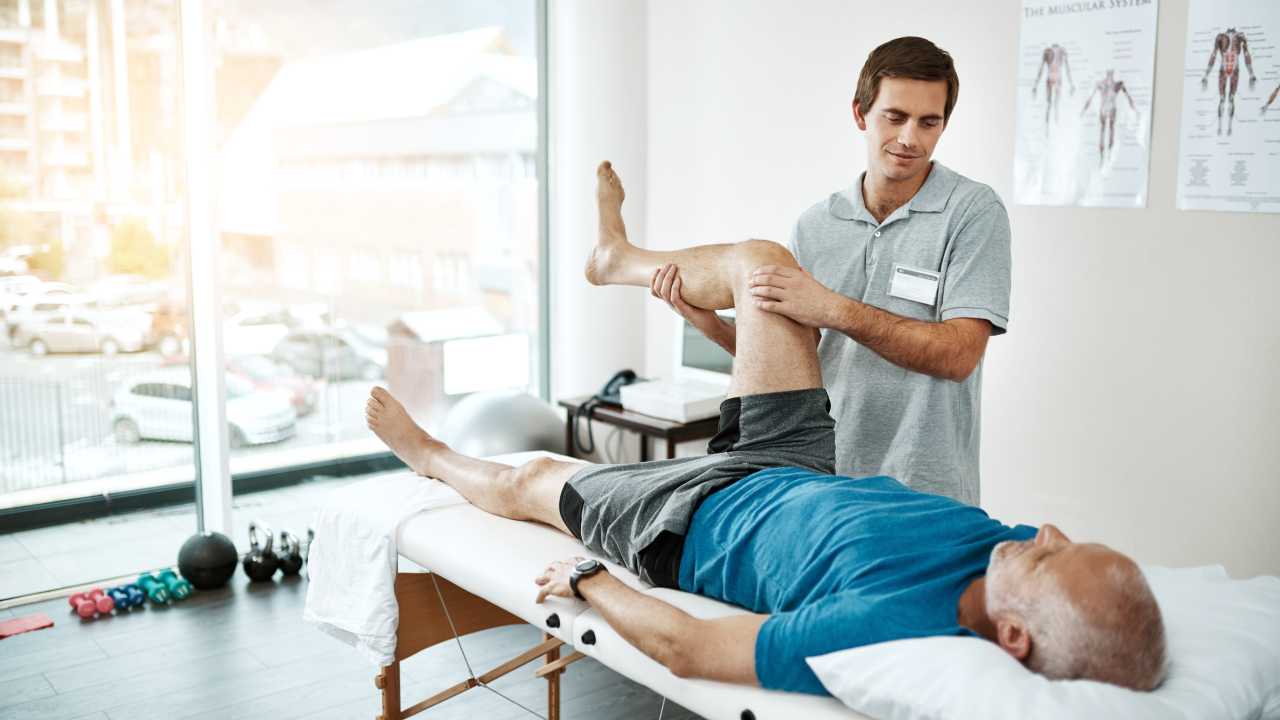
Physiotherapy can help structure a gradual return to normal activities. Depending on the issue, care may include mobility exercises, strengthening, balance work, functional movements, and advice about modifying activities during recovery.
A gradual process can make it easier to monitor how your body responds as activity increases. If symptoms change, your plan can be reviewed and adjusted.
An injury or recurring physical concern can sometimes make people cautious about certain movements. You may avoid stairs, lifting, running, bending, or sports because you are unsure how your body will respond.
Physiotherapy can focus on practical movement tasks that relate to your daily life or chosen activities. Repeated practice can help you become more familiar with movement patterns and build confidence as your capacity improves.
For someone in Beaumont who wants to return to a favourite activity, this may include gradually practicing the movements required for that activity rather than stopping all movement.
An active lifestyle is not only about what you do after an injury. Physical care can also be useful when you notice recurring stiffness, changes in movement, or difficulty maintaining your normal exercise routine.
Movement care may be included alongside walking, strength training, cycling, swimming, recreational sports, or other forms of exercise. The focus can be on maintaining suitable movement patterns, building physical capacity, and recognizing changes that may need attention.
The goal is not necessarily to stop activity. In many situations, appropriate activity can remain part of the plan while specific movements are modified.
Not every ache or stiffness requires professional care, but certain changes may indicate that an assessment could be useful. Consider speaking with a qualified physiotherapy professional if you notice:
Sudden severe symptoms, major swelling, significant trauma, loss of function, or other concerning changes should be assessed by an appropriate medical professional promptly.
Progress can vary according to the condition, activity level, age, and consistency with the recommended plan. Some people may notice changes such as
Tasks such as getting up from a chair, walking, reaching, or climbing stairs may feel more manageable as mobility and strength improve.
Exercises and movement work may help increase available range of motion where stiffness is limiting activity.
Progressive strengthening can support the muscles involved in walking, lifting, sports, and other physical tasks.
As movement capacity develops, you may feel more comfortable performing activities that previously caused concern.
A gradual progression can help you move from modified activity toward your usual routine while monitoring how your body responds.
You may become more aware of posture, technique, workload, recovery, and movement patterns that influence your daily activities.
A common concern is that appointments or exercises will require giving up the activities you enjoy. In many cases, the focus can be on adjusting activity rather than stopping movement altogether.
The right approach depends on the issue and the person's current abilities. Communication about your goals, activities, schedule, and symptoms can help shape a practical plan.
Aim Physiotherapy and Wellness in Beaumont, AB, can be a local clinic option for people seeking support with movement concerns and activity-related challenges.
Aim Physiotherapy and Wellness focuses on physical function and movement concerns for people in the Beaumont area.
If you are dealing with a new injury, recurring stiffness, reduced mobility, or difficulty keeping up with your usual activities, discussing your concerns with a professional can help you determine whether an assessment is appropriate.
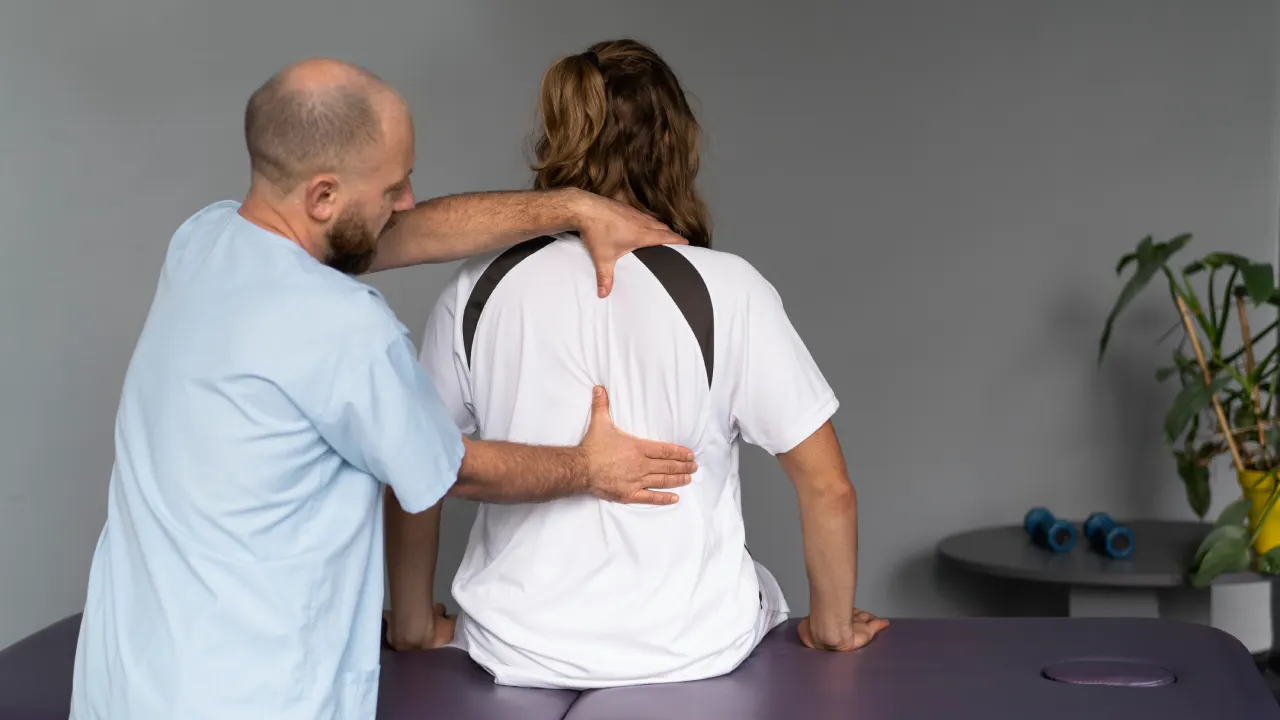
During an initial visit, you can discuss your current activity level, movement concerns, previous injuries, and goals. The clinician may assess movement, strength, flexibility, balance, and functional tasks related to your routine.
Follow-up care may include exercises or activity changes that can be practiced between visits. Keeping track of how your body responds can help identify which activities feel manageable and which may need adjustment.
Physiotherapy does not have to be limited to competitive sports. It can also fit routines built around family activities, work demands, walking, gardening, cycling, gym sessions, or weekend recreation.
Consistency can matter when completing an exercise plan. Physiotherapy exercises may be simple enough to fit into a daily schedule, depending on your needs and available time.
If you are unsure whether this care is appropriate for your concern, a conversation with a qualified clinician can help clarify whether an assessment makes sense for your situation.
Physiotherapy can address a range of movement and physical function concerns, including sports injuries, muscle strains, joint stiffness, reduced mobility, weakness, balance issues, and difficulties returning to normal activity.
Not necessarily. Depending on the issue, some activities may continue with changes to intensity, volume, technique, or exercise selection. A qualified professional can advise you based on your situation.
Visit frequency varies according to the concern, progress, activity demands, and recommendations from your care provider. Your schedule can be reviewed as your condition changes.
Yes. This care can be used during recovery from many sports injuries, with exercises and activity progression selected according to the affected area and your functional goals.
No. This care can be useful for people with many different activity levels. It may support everyday mobility, strength, balance, recovery after injury, and participation in recreational activities.
Physiotherapy may support mobility, strength, and activity goals at different stages of an active routine.
Staying active can be an important part of a healthy routine, but movement concerns do not always have to mean abandoning the activities you enjoy. If stiffness, weakness, an injury, or recurring symptoms are affecting your routine, a professional assessment may help identify practical next steps.
If you live in Beaumont, AB, contact Aim Physiotherapy and Wellness to discuss your movement concerns and activity goals. Ask about an assessment and learn how this type of care may fit into your current routine.
Phone: +1 780 801-3669
Address: 115-5305 Magasin Ave, Beaumont, AB T4X 1V8