Give us a Call
(780) 801-3669
A car accident doesn't always leave obvious bruises. Many people walk away thinking they're fine, only to wake up the next morning with neck stiffness, back discomfort, headaches, or reduced movement. Others wait several days before seeking help because the pain seems "manageable." By then, everyday tasks can become much harder than expected. If you're searching for Motor Vehicle Accident Injury Physiotherapy, you're likely trying to figure out what to do next. Before you delay another day, there are several facts that many accident victims wish they had known much sooner.
Many people don't realize that injuries from a collision don't always appear immediately.
After an accident, adrenaline can temporarily mask soreness and muscle tension. Someone may feel almost normal at the scene but develop increasing stiffness over the following days.
Another common misconception is that only major crashes cause injuries. Even lower-speed collisions can affect muscles, joints, and soft tissues, depending on the direction of impact and the person's body position.
What happens next often surprises people. Small movement limitations that seem minor at first can gradually interfere with driving, sleeping, working, or exercising if they aren't assessed.
Many people leave the accident believing everything is fine.
Then neck pain, shoulder tightness, headaches, or lower back discomfort begin appearing later that evening or several days afterward.
That's one reason an early assessment is often recommended, even when symptoms seem mild.
No two collisions are exactly alike.
Vehicle speed, direction of impact, seat position, seatbelt use, and previous injuries all influence how the body responds.
Two people involved in the same accident may recover very differently.
Ignoring stiffness may allow movement problems to continue.
Simple activities like reversing your vehicle, carrying groceries, working at a computer, or sleeping comfortably may become increasingly frustrating.
Addressing movement restrictions earlier may help prevent compensatory movement patterns from developing.
Most first-time patients expect only whiplash to be discussed.
However, collisions may also affect:
A complete assessment helps identify all affected areas rather than focusing on the most painful spot alone.
Many people picture only massage or stretching.
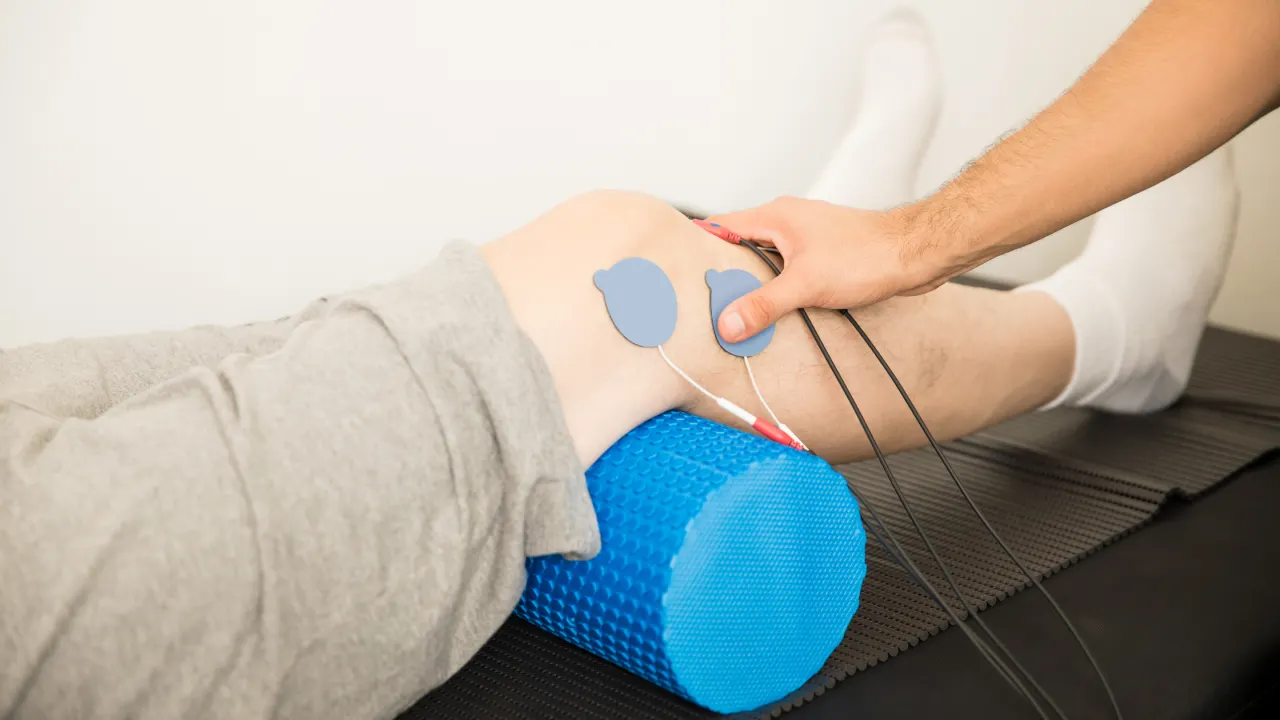
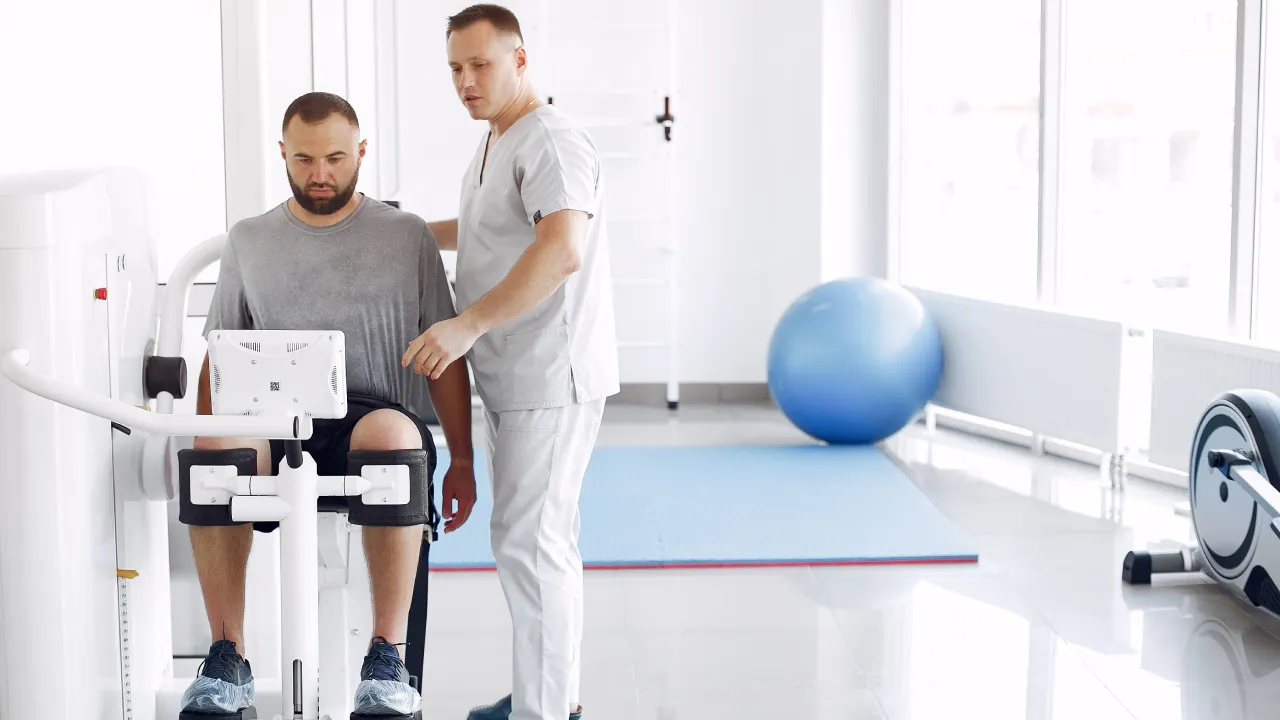
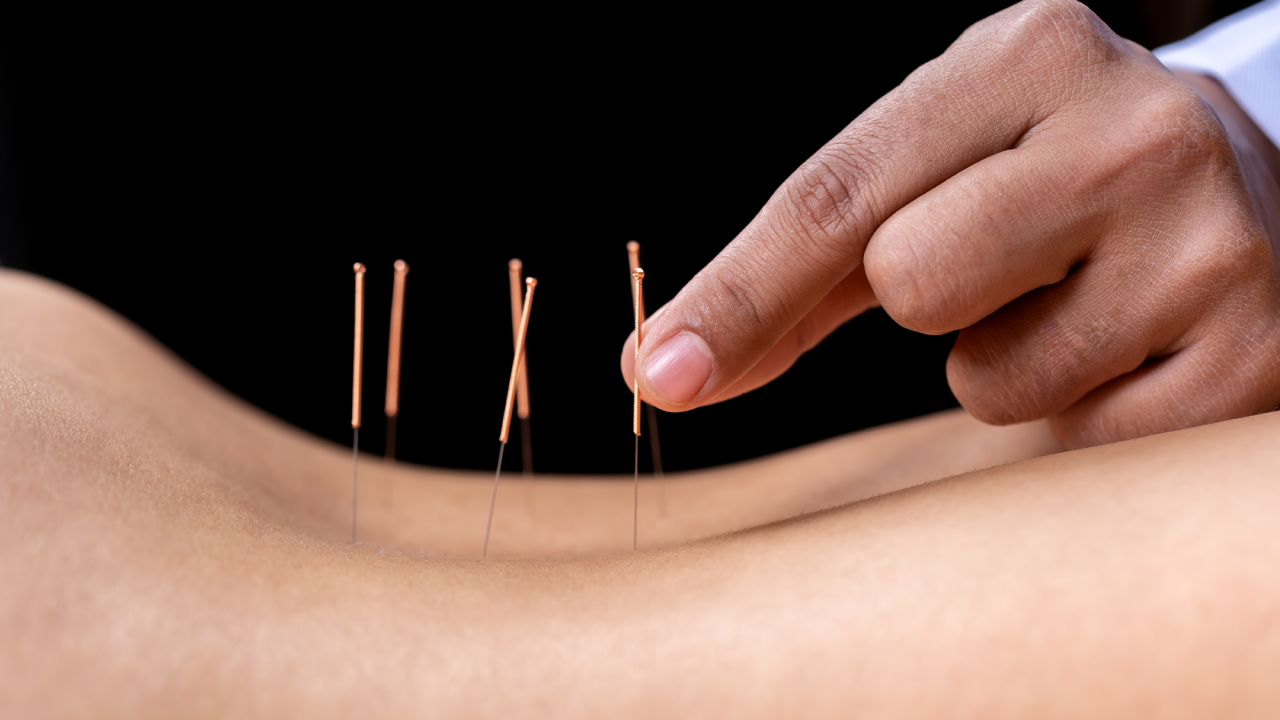
In reality, your physiotherapy plan may include:
The combination depends on your assessment findings and recovery goals.
What happens next often surprises people.
Some individuals notice changes within a short period, while others require additional visits depending on the severity of their injuries, previous health history, and daily activity demands.
Recovery is rarely identical from one person to another.
Many people don't connect recurring headaches with a recent collision.
Muscle tension, restricted neck movement, and soft tissue irritation may contribute to headaches after a motor vehicle accident.
That's why discussing every symptom during your assessment is important, even if it seems unrelated.
Feeling slightly improved doesn't always mean the body has recovered.
Jumping back into heavy lifting, sports, or physically demanding work too soon may increase strain on healing tissues.
A gradual return based on your progress is often the safer approach.
Many people expect treatment to begin immediately.
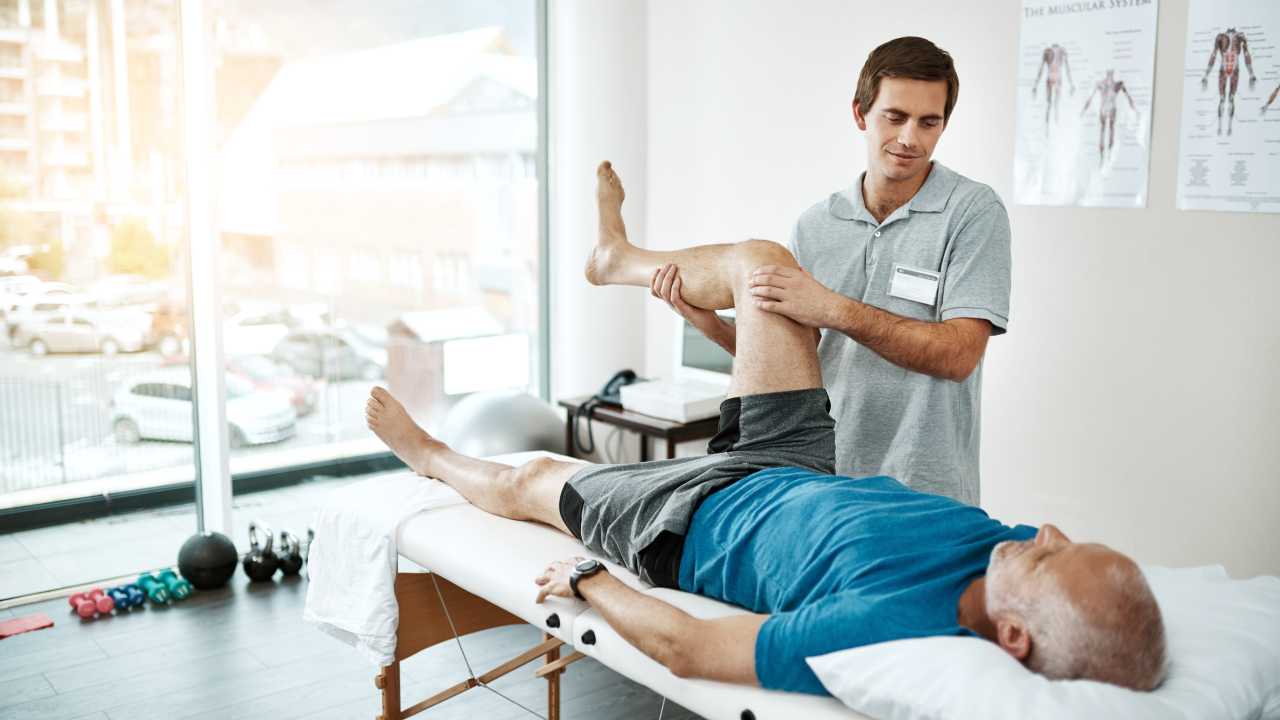
Instead, your physiotherapist first evaluates movement, strength, flexibility, posture, and functional limitations.
That information helps determine whether Motor Vehicle Accident Injury Physiotherapy is appropriate and what your recovery plan should include.
If this is your first visit after a collision, you may be wondering what to expect.
Your appointment generally includes:
Depending on your condition, treatment may begin during the same visit or after the assessment has been completed.
You may also receive home exercises and advice on daily activities between appointments.
Many people unknowingly make decisions that may prolong discomfort or movement restrictions.
Common mistakes include:
Identifying these habits early can help maintain a positive trajectory in recovery.
Beaumont continues to grow, and many residents commute daily to nearby communities for work, school, shopping, and recreation.
Long commutes, busy intersections, changing road conditions, and increased traffic mean accidents can happen unexpectedly.
After a collision, many people begin searching for Motor Vehicle Accident Injury Physiotherapy because they're struggling with stiffness while driving, discomfort during work, difficulty sleeping, or reduced movement during daily activities.
Getting assessed early can help identify issues before they become more disruptive.
It's generally advisable to arrange an assessment as soon as practical after the accident, even if symptoms appear mild or develop later.
Yes. Physiotherapy is commonly used to address movement limitations, muscle tension, and functional changes associated with whiplash injuries when appropriate.
Many people can book a physiotherapy assessment without a referral, although some insurance providers may have their requirements.
The number of appointments varies depending on your injuries, recovery progress, and treatment goals.
Comfortable clothing that allows effortless movement is usually recommended so your physiotherapist can complete a thorough assessment.
That depends on your injuries and job demands. Your physiotherapist can discuss activity modifications based on your assessment.
If you're still dealing with stiffness, neck discomfort, back pain, headaches, or reduced movement after a collision, waiting longer may simply allow those problems to continue affecting your daily routine.
If you're looking for Motor Vehicle Accident Injury Physiotherapy in Beaumont, contact Aim Physiotherapy and Wellness.
Address: 5305 Magasin Ave #115, Beaumont, AB T4X 1V8, Canada
Phone: +1 780-801-3669
Contact Aim Physiotherapy and Wellness today to schedule an assessment and begin your recovery with a plan built around your injuries and movement goals.