Give us a Call
(780) 801-3669
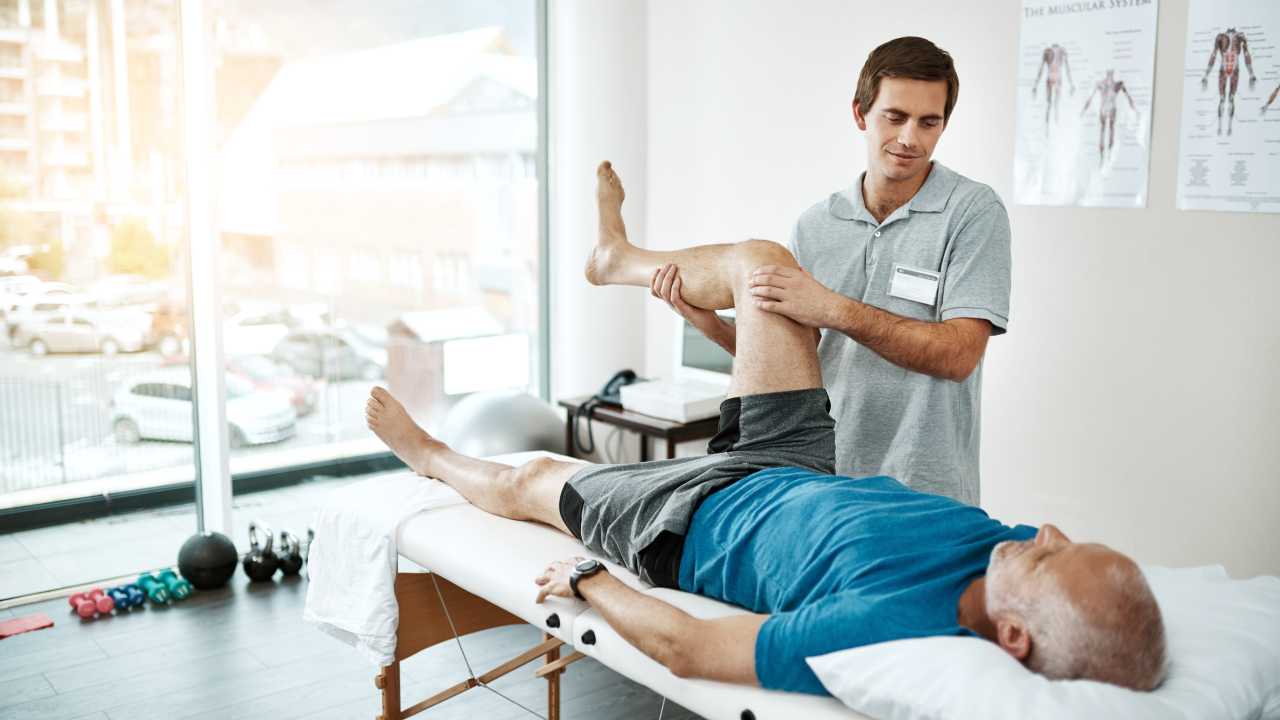
Muscle strength and control play an important role in sports performance, exercise, and everyday movement. After an injury, however, muscles may become weaker because of reduced activity, discomfort, swelling, or a period of rest. Rehabilitation may then include different methods to help restore muscle activity and support a gradual return to movement.
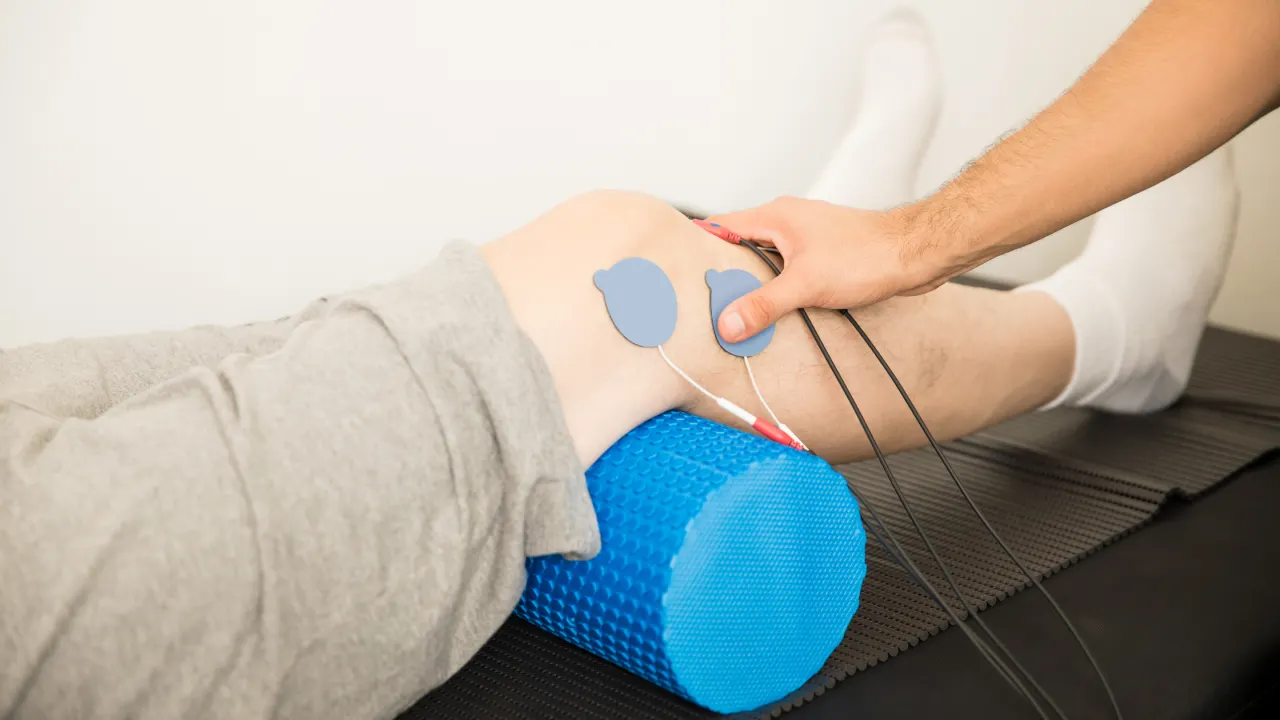
One method used in some rehabilitation settings is Russian current. It is a form of electrical stimulation that delivers controlled electrical impulses through electrodes placed on the skin. The stimulation can produce muscle contractions and may be used alongside active exercises as part of a rehabilitation plan.
For athletes and active individuals in Beaumont, AB, learning about Russian current can help explain why electrical stimulation may sometimes appear in a rehabilitation program. It is not intended to replace active movement or exercise. Instead, it may be used as one component alongside assessment, strengthening, mobility work, and functional activities.
This article explores nine key facts about Russian current, including how it works, why it may be used, and how it can fit into sports injury rehabilitation.
Russian current refers to a type of electrical stimulation that uses medium-frequency alternating current. The electrical signal is delivered through electrodes placed over selected muscles.
When the stimulation reaches the motor nerves, it can trigger muscle contractions. The resulting contraction may resemble some aspects of a voluntary muscle contraction, although the way the nervous system recruits muscle fibres differs from that of normal voluntary movement.
In a rehabilitation setting, a practitioner may select particular muscles based on the person's condition and rehabilitation goals. The electrode placement, stimulation intensity, timing, and duration can vary according to the situation.
Russian current should therefore not be viewed simply as a machine that strengthens every muscle automatically. Its usefulness depends on appropriate application and how it is combined with active rehabilitation.
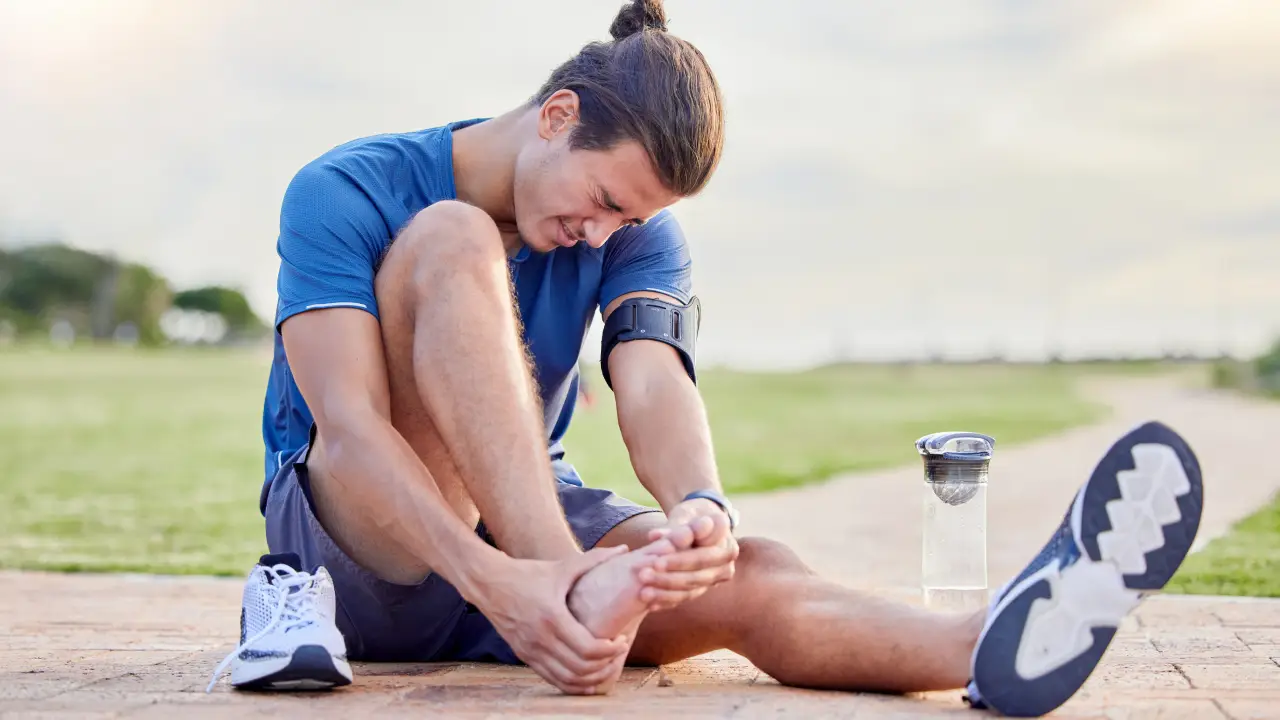
After a sports injury, a person may temporarily reduce the use of an affected body part. This can contribute to reduced muscle activation and strength.
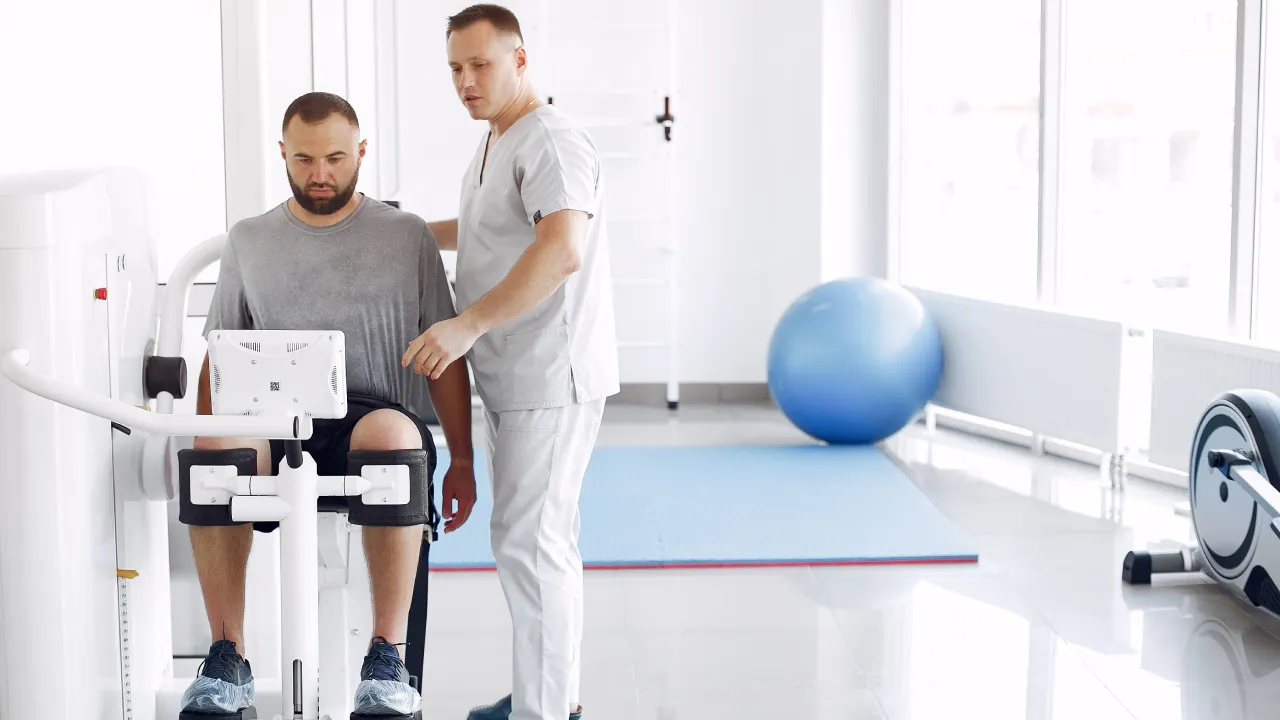
For example, someone recovering from a knee injury may find it difficult to activate the quadriceps normally. Reduced activity can make certain movements more challenging, particularly when returning to squatting, stepping, running, or jumping.
Russian current may be used to produce contractions in selected muscles when voluntary activation is difficult. In this context, the stimulation can act as an additional stimulus while the person works through appropriate exercises.
A physiotherapy program may combine electrical stimulation with active muscle contractions. This approach can help connect the stimulation with functional movement rather than relying on passive treatment alone.
One common misconception is that electrical stimulation can take the place of regular strengthening exercises. In most rehabilitation programs, this is not the goal.
Muscles need to work during functional activities to support coordination, strength, balance, and movement control. Exercises such as squats, step-ups, resistance work, calf raises, lunges, or sport-specific drills can address several aspects of movement that electrical stimulation alone cannot reproduce.
Russian current may therefore be used as an additional tool rather than the entire rehabilitation program.
A physiotherapy assessment can help determine whether electrical stimulation has a suitable role alongside active exercises. The program can then progress as muscle control and functional capacity improve.
Sports injury rehabilitation often involves several stages. The early stage may focus on protecting the injured area and maintaining appropriate movement. Later stages can include strength development, coordination, balance, endurance, and sport-specific activities.
Russian current may have a role during selected stages when muscle activation is a concern.
Consider an athlete recovering from a lower-limb injury. If one muscle group is noticeably weaker or difficult to activate, electrical stimulation may be considered alongside strengthening exercises. As the athlete progresses, the focus can shift toward movements that resemble the demands of their sport.
For example, a soccer player may eventually need to perform running, cutting, acceleration, deceleration, and kicking activities. A basketball player may need jumping, landing, pivoting, and rapid changes of direction. Electrical stimulation alone cannot prepare someone for all these demands, but it may form one part of a broader rehabilitation process.
The suitability of Russian current depends on the injury, stage of recovery, muscle function, medical history, and rehabilitation objectives.
Russian current is not a single fixed setting that is used in exactly the same way for everyone. Practitioners can adjust several parameters depending on the intended application.
These may include:
The stimulation needs to be strong enough to produce the intended muscle response while remaining within an appropriate comfort range.
During a session, a person may feel tingling followed by a noticeable muscle contraction. The sensation can vary depending on the body area, electrode placement, stimulation settings, and individual sensitivity.
This is one reason assessment and monitoring are important when electrical stimulation is included in rehabilitation.
Electrodes are generally positioned over or near the target muscle and its motor points. Their placement can influence which muscles respond to the electrical signal.
Incorrect placement may produce a weaker or unintended contraction. A practitioner may therefore assess the muscle and adjust electrode positioning to achieve the intended response.
Skin condition is also relevant. Electrodes should be applied to suitable areas of intact skin, and the skin can be checked before and after treatment.
During physiotherapy sessions, the practitioner can monitor the muscle response and make adjustments when required. Communication is also important, particularly if the stimulation feels excessively uncomfortable or produces an unexpected response.
Muscle strength is influenced by several factors, including muscle size, nervous system activation, training volume, movement quality, and the ability to progressively increase physical demand.
Electrical stimulation may contribute to muscle activation in selected circumstances, but it should be considered within the larger context of strength training.
A rehabilitation program may gradually introduce resistance exercises as the injured tissues and surrounding structures can tolerate increased loading. Russian current may be used alongside these exercises in selected cases.
For instance, a person recovering from an injury affecting the knee may perform controlled quadriceps exercises while stimulation is applied. The objective is to encourage muscle contraction while maintaining active participation.
The exact approach depends on the person's condition and the findings from their assessment.
Electrical stimulation requires appropriate screening. Certain medical conditions, implanted electrical devices, impaired sensation, skin problems, or other circumstances may affect whether this form of treatment should be used.
Pregnancy can also require additional consideration depending on the treatment area and clinical circumstances. Electrical stimulation should not be applied casually or without considering relevant health factors.
Anyone considering Russian current should discuss their medical history and current symptoms with a qualified healthcare professional before treatment.
A physiotherapy assessment can help identify whether electrical stimulation is appropriate and whether another rehabilitation method may be more suitable.
It is also important to distinguish expected stimulation sensations from warning signs. Significant discomfort, skin irritation, unusual symptoms, or other concerning responses should be communicated to the treating practitioner promptly.
The final key fact is that Russian current is only one possible component of rehabilitation.
Sports injury recovery commonly involves several areas, including:
A physiotherapy professional may assess these factors and determine which methods are appropriate at different stages.
For an athlete, the ultimate objective is not simply to produce a muscle contraction during a treatment session. The athlete needs to develop the physical capacity required for daily activities, training, and sport.
This means active participation remains an important part of rehabilitation.
Sports injuries can affect muscles, tendons, ligaments, joints, and other structures. The rehabilitation process depends on the nature and severity of the injury.
Russian current may be considered when muscle activation or strength is a concern. For example, after periods of reduced activity, a muscle may not contract as strongly as it did before the injury. Electrical stimulation can provide an external stimulus that produces a contraction in the targeted muscle.
However, rehabilitation should progress beyond isolated contractions. Once appropriate, active strengthening and functional exercises can become increasingly important.
For athletes in Beaumont, AB, a structured rehabilitation plan may also take into account the demands of a particular sport. Someone who participates in running may require different functional preparation from someone involved in hockey, soccer, volleyball, or weight training.
A physiotherapy professional can assess movement and help determine appropriate stages for progressing from basic exercises toward more demanding activities.
During Russian current treatment, a person may initially notice a tingling sensation. As intensity increases, the targeted muscle may begin to contract.
The sensation can feel unusual, especially during an initial session. The intensity should be monitored so the stimulation remains within a tolerable range.
After treatment, the stimulated muscle may feel as though it has completed a workout. This can vary depending on the intensity and duration of the session.
People should communicate with their practitioner throughout treatment. If the sensation becomes unexpectedly uncomfortable or something does not feel right, the practitioner can assess the situation and adjust or stop the stimulation.
During voluntary exercise, the brain sends signals through the nervous system to activate muscles. The body controls the timing and coordination of those contractions according to the movement being performed.
With electrical stimulation, an external electrical signal activates motor nerves and produces muscle contraction.
This difference matters because electrical stimulation does not reproduce every aspect of normal movement. Functional exercises involve coordination between muscles, joints, the nervous system, balance systems, and the demands of the activity.
For that reason, Russian current is generally more useful when viewed as a supplementary method within an active rehabilitation plan rather than a replacement for exercise.
A practitioner may consider electrical stimulation when there is a specific reason for using it. Possible considerations include reduced muscle activation, weakness following a period of inactivity, or difficulty producing an adequate contraction during voluntary exercise.
The decision depends on the individual rather than the name of the injury alone.
For example, two people with similar knee injuries may have different muscle activation patterns, exercise tolerance, medical histories, and rehabilitation needs. Their programs may therefore differ.
A proper assessment can help determine whether Russian current has a meaningful role in the rehabilitation process.
If Russian current has been suggested as part of rehabilitation, it can be useful to ask:
These questions can help a person understand what role the treatment has within their overall rehabilitation plan.
Russian current is a form of electrical stimulation that uses controlled electrical signals to produce muscle contractions. It may be used in selected rehabilitation situations, particularly when muscle activation or strength is a concern.
It may be used as one component of sports injury rehabilitation when appropriate. Its role can include supporting muscle activation alongside active strengthening and functional exercises. Its suitability depends on the injury and the individual's clinical circumstances.
Russian current can create tingling and noticeable muscle contractions. Sensation varies between individuals and depends on stimulation settings and electrode placement. Unexpected or significant discomfort should be reported to the treating practitioner.
No. Electrical stimulation does not reproduce all the demands of voluntary exercise and functional movement. Active strengthening remains an important part of many rehabilitation programs.
No. It is not appropriate for every person or every injury. A healthcare professional should review the individual's condition, medical history, skin condition, sensation, and other relevant factors before electrical stimulation is used.
Recovering from a sports injury involves more than waiting for symptoms to settle. Restoring movement, rebuilding strength, improving coordination, and gradually returning to activity can all play a role in rehabilitation.
At Aim Physiotherapy and Wellness in Beaumont, AB, individuals can discuss their injury, activity requirements, and rehabilitation goals with a qualified physiotherapy professional. An assessment can help identify movement limitations and determine which rehabilitation methods may be appropriate.
If you are recovering from a sports injury or have noticed weakness or difficulty moving after an injury, contact Aim Physiotherapy and Wellness in Beaumont, AB, to discuss your rehabilitation needs and arrange an assessment.
Phone: +1 780-801-3669
Address: 5305 Magasin Ave #115, Beaumont, AB T4X 1V8, Canada