Give us a Call
(780) 801-3669
Have you been stretching, resting, or changing your routine, yet that stubborn muscle tightness refuses to ease? Many people believe that the discomfort will eventually subside on its own. Then weeks turn into months, and simple tasks become more frustrating than they should be. If you've been searching for Dry Needling, you're probably looking for answers that explain why your muscles still feel restricted. Many people don't learn several facts until after they've begun treatment, even before their first appointment. Knowing them now could help you feel more confident about your next step.
Many people don't realize that Dry Needling is often misunderstood because it gets confused with other needle-based therapies. The names sound similar, but the goals and methods are different.
One common myth is that every needle treatment follows the same approach. In reality, dry needling focuses on muscles, trigger points, and movement patterns that may be contributing to discomfort or limited mobility.
Another reason confusion exists is misinformation online. One article says it works instantly, while another claims it's painful for everyone. The truth usually falls somewhere in between. Your condition, movement patterns, and physical demands all influence how treatment is planned.
What happens next often surprises people. The first appointment is usually less about the needles themselves and more about identifying why your symptoms keep returning.
Many people expect the sore spot to be the only place that needs attention.
In reality, discomfort can begin somewhere else. A tight calf may relate to the way your hip moves. Shoulder discomfort might involve muscles around your upper back.
That's why a movement assessment matters before Dry Needling begins. Looking at the whole movement pattern often reveals details that people never noticed on their own.
Ignoring these habits may allow the problem to continue.
Office workers who spend hours at a computer, parents lifting children, tradespeople carrying heavy equipment, and athletes repeating the same motions all place repeated stress on certain muscles.
Identifying those movement habits is crucial, as symptoms may persist, and they may continue returning even after temporary improvement.
Most first-time patients ask this question.
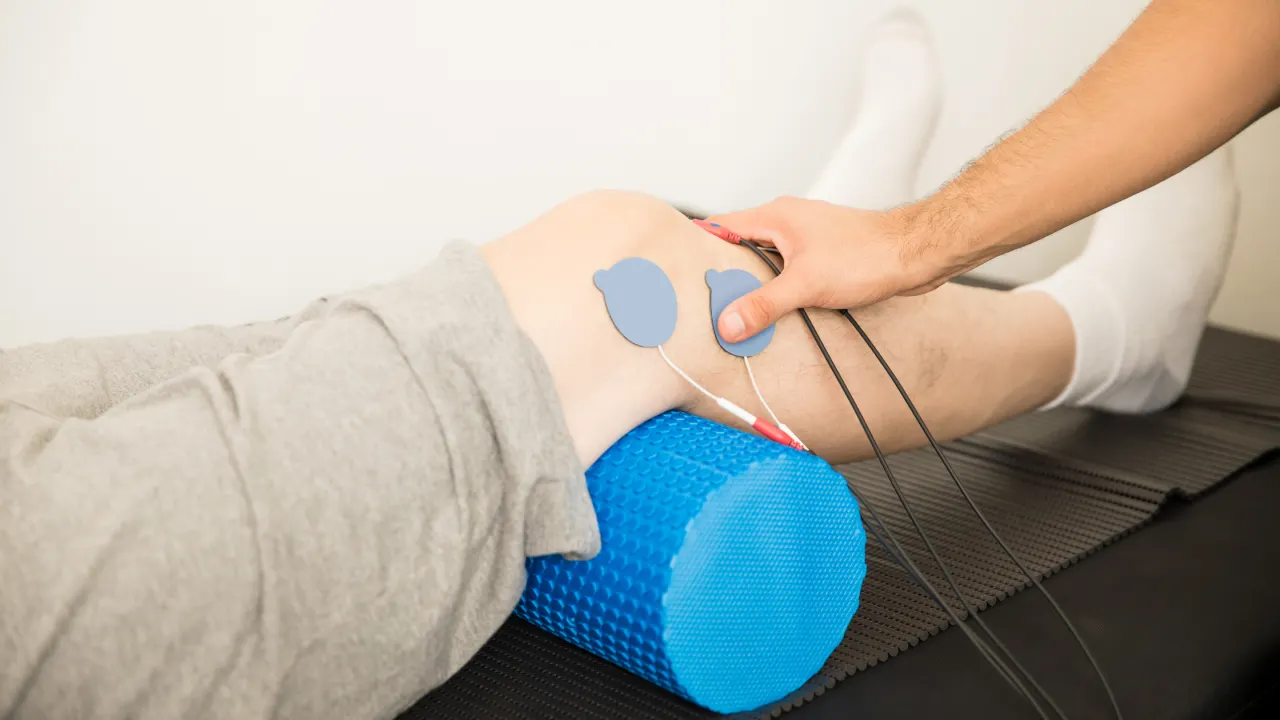
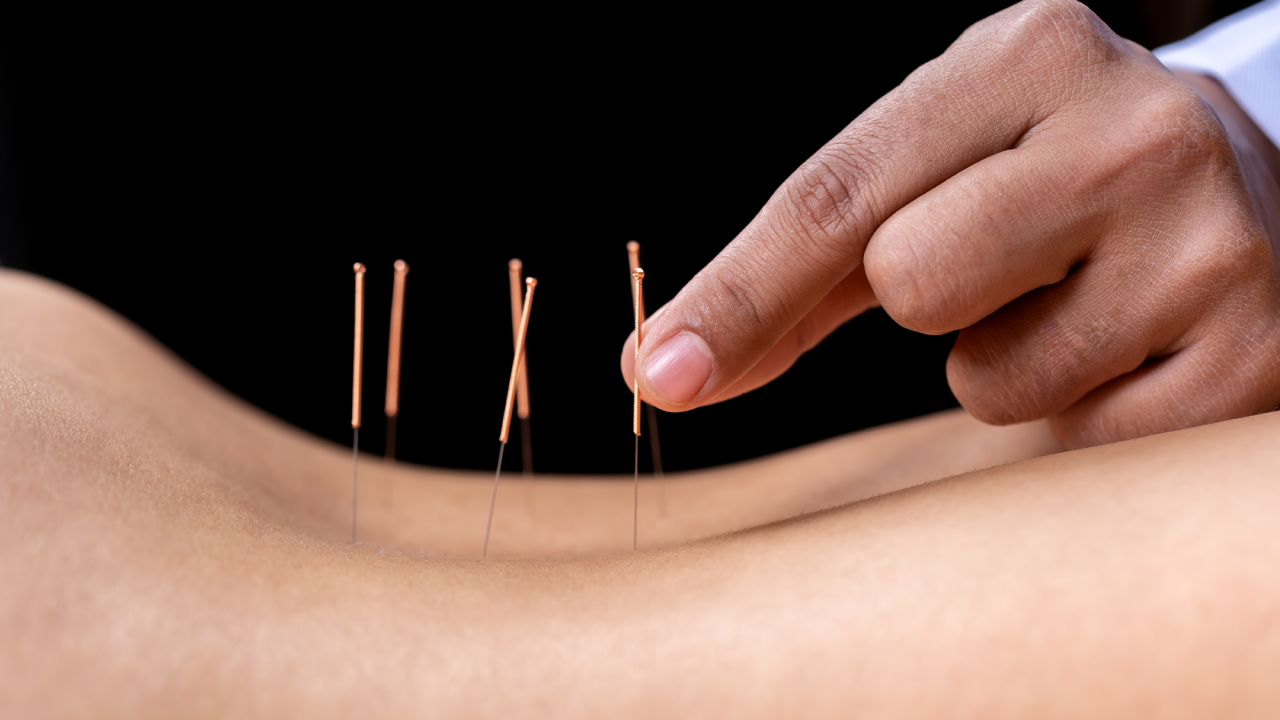
People often picture large medical needles, but dry needling uses very fine needles. Because of this, many individuals describe the sensation as brief or unusual rather than intensely painful.
Some muscles may twitch during treatment. That response can be completely normal and often surprises people during their first visit.
Many people expect to walk out feeling exactly the same or completely changed.
The reality is usually somewhere in the middle.
Some individuals notice easier movement almost immediately. Others feel temporary muscle soreness similar to what they might notice after a workout before changes become more noticeable over the next day or two.
Every person's response depends on their condition and overall movement patterns.
This catches many people off guard.
Some issues develop over months or even years. Muscles adapt to repeated strain, previous injuries, and movement habits.
Because of that, Dry Needling is often one part of a broader physiotherapy plan that may also include movement training, strengthening exercises, and manual therapy.
Many people assume only athletes receive Dry Needling.
In reality, office workers, warehouse employees, construction workers, active parents, and older adults may all experience muscle tightness that affects daily movement.
Whether you're gardening, golfing, walking your dog, or sitting at a desk for long hours, muscle trigger points can develop in many different ways.
People sometimes expect to receive needles immediately.
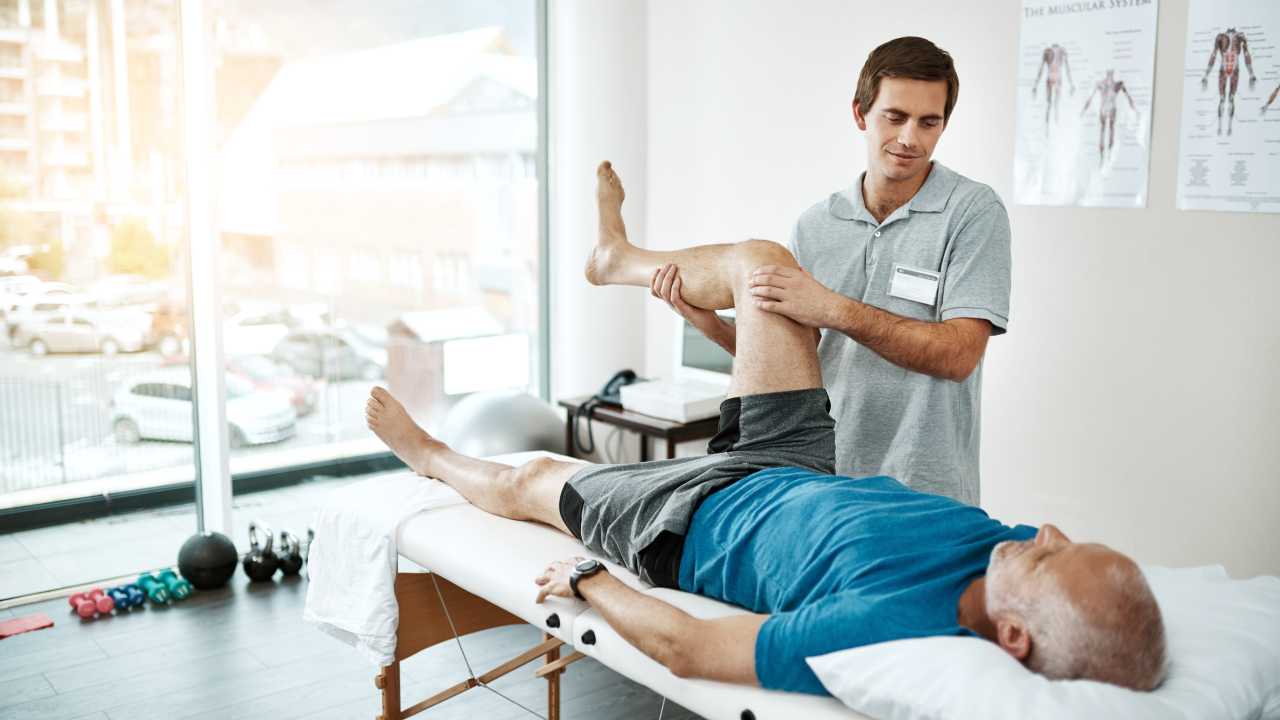
Instead, your physiotherapist usually starts by asking questions about your symptoms, health history, daily activities, and goals.
Movement testing helps identify what's contributing to the issue before deciding whether Dry Needling is appropriate.
That careful process helps make treatment more focused instead of relying on guesswork.
If you've never had Dry Needling, it's natural to wonder what the appointment looks like.
Your visit generally includes:
During the session, you may notice:
Your physiotherapist may also recommend stretches, movement exercises, or activity adjustments before your next visit.
Many people don't realize that their decisions before booking an appointment can influence how long their symptoms continue.
Common mistakes include:
Recognizing these habits early may help you make more informed decisions about your care.
Life in Beaumont keeps many people active.
Some spend weekends playing hockey, soccer, or pickleball. Others enjoy cycling, running, or working out at local fitness facilities.
Construction workers, healthcare professionals, warehouse staff, mechanics, and office employees often perform repetitive movements throughout the day. Parents also spend countless hours lifting children, carrying groceries, and staying active with family routines.
These everyday demands can contribute to muscle tension, reduced flexibility, and movement limitations.
That's one reason many Beaumont residents begin searching for Dry Needling when stretching and resting haven't produced the changes they expected.
Many people describe the sensation as brief. Some muscles may twitch or feel temporarily sore, but reactions vary from person to person.
The number of visits depends on factors such as your symptoms, how long they've been present, your activity level, and your treatment goals.
When performed by a qualified physiotherapist with appropriate training, dry needling is generally considered a safe technique for suitable candidates.
Older injuries may leave muscles tight or movement patterns altered. An assessment can help determine whether dry needling is appropriate for your situation.
Often, you can book a physiotherapy assessment without a physician's referral, though insurance plans may have their own requirements.
Your physiotherapist may recommend gentle movement, hydration, and following any home exercises provided while temporary soreness settles.
If discomfort, stiffness, or limited movement has been affecting your daily routine, waiting longer may simply allow those challenges to continue interfering with work, exercise, family activities, or hobbies.
If you're ready to find out whether Dry Needling is appropriate for your situation, contact Aim Physiotherapy and Wellness.
Address: 5305 Magasin Ave #115, Beaumont, AB T4X 1V8, Canada
Phone: +1 780-801-3669
Call or contact Aim Physiotherapy and Wellness today to schedule an assessment and take the next step toward moving with greater confidence.