Give us a Call
(780) 801-3669
Lingering discomfort after an injury can gradually affect daily movement, work tasks, and even sleep. Many people in Beaumont, Alberta, notice that pain does not settle even after rest or basic care, leading them to search for Chronic Pain Treatment. When symptoms persist for weeks or months, it may signal that the injury has progressed beyond the initial phase and requires structured attention.
Early recognition matters because ongoing pain can change how the body moves and adapts. Chronic Pain Treatment is often explored when regular recovery steps are no longer helping someone return to normal activity.
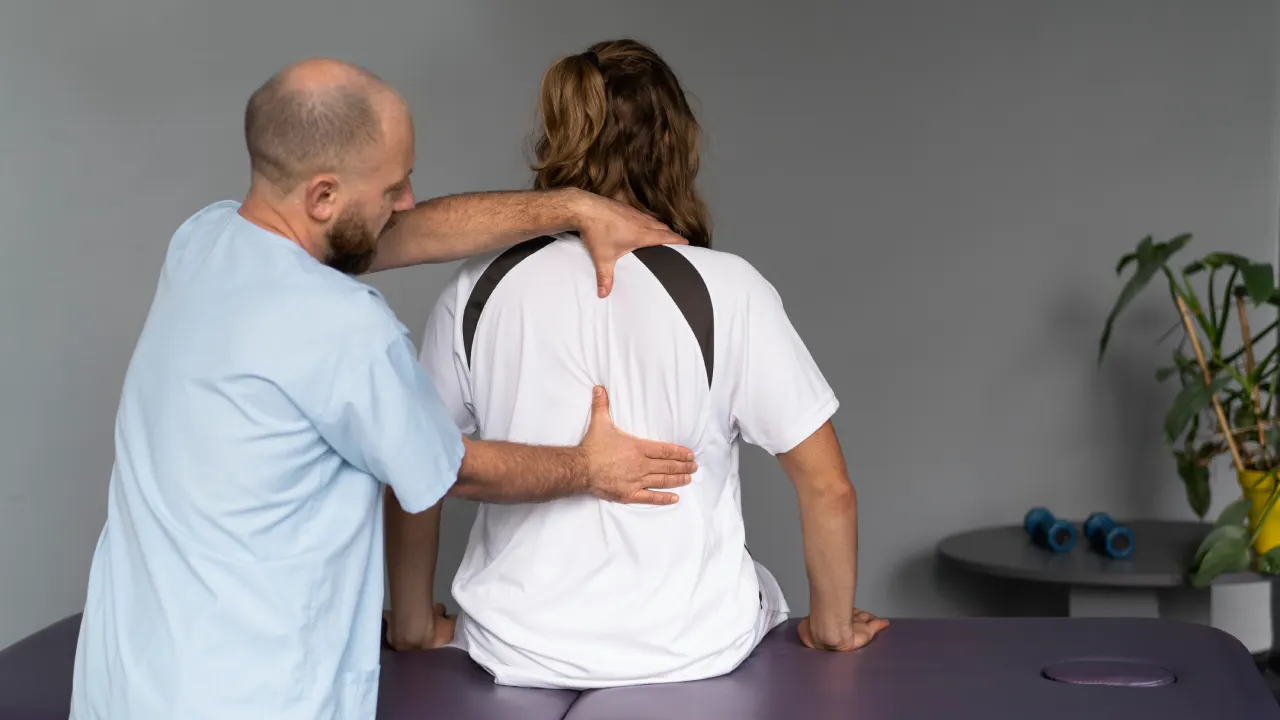
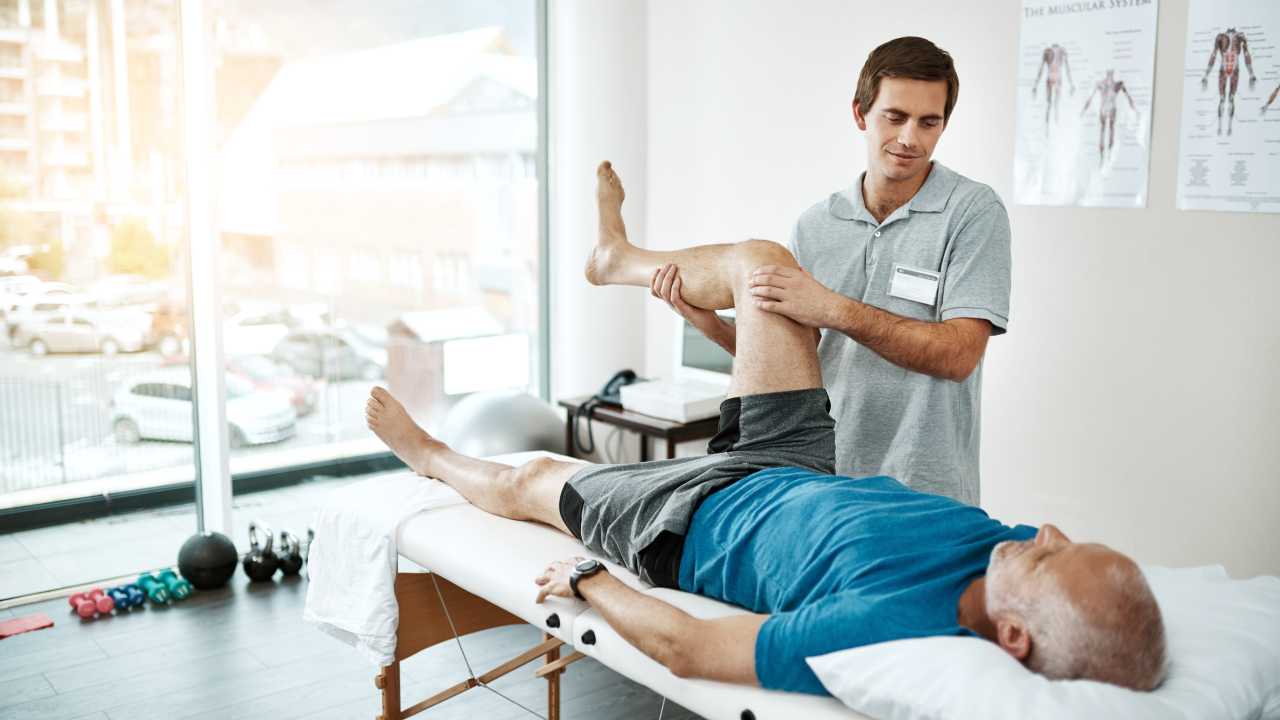
Treatment refers to care strategies used when discomfort persists beyond expected recovery after an injury or strain. In a physiotherapy setting, it focuses on movement assessment, strength rebuilding, and reducing strain on affected areas.
Instead of addressing only surface symptoms, this approach considers how the body moves as a system. It often includes exercise-based plans, Mobility work, and Posture correction strategies.
People seeking treatment at a clinic usually want help understanding why the pain is not settling and how to restore movement safely over time.
Injuries do not always follow a straight recovery path. Several factors can cause pain to persist and turn into a long-term issue that may require Chronic Pain Treatment:
When these factors combine, the body may continue to protect the injured area, prolonging discomfort and limiting movement. At that point, Chronic Pain Treatment is often considered to re-train movement and reduce strain.
Not all ongoing discomfort requires advanced care, but certain patterns suggest that Treatment may be needed.
If discomfort continues for several weeks after the injury, it may signal that normal recovery has stalled.
Walking, lifting light objects, or climbing stairs triggers discomfort again and again.
Joints or muscles feel tight even after taking breaks or sleeping.
The injured area does not move as freely as before, affecting daily tasks.
Discomfort begins to shift to the surrounding muscles as the body compensates.
Simple actions like standing up or gripping objects feel harder than before.
Small efforts lead to noticeable discomfort later in the day.
People may begin limiting activity to avoid triggering symptoms, which can further slow recovery.
Each of these signs may indicate the need for Chronic Pain Treatment rather than continuing with rest alone.
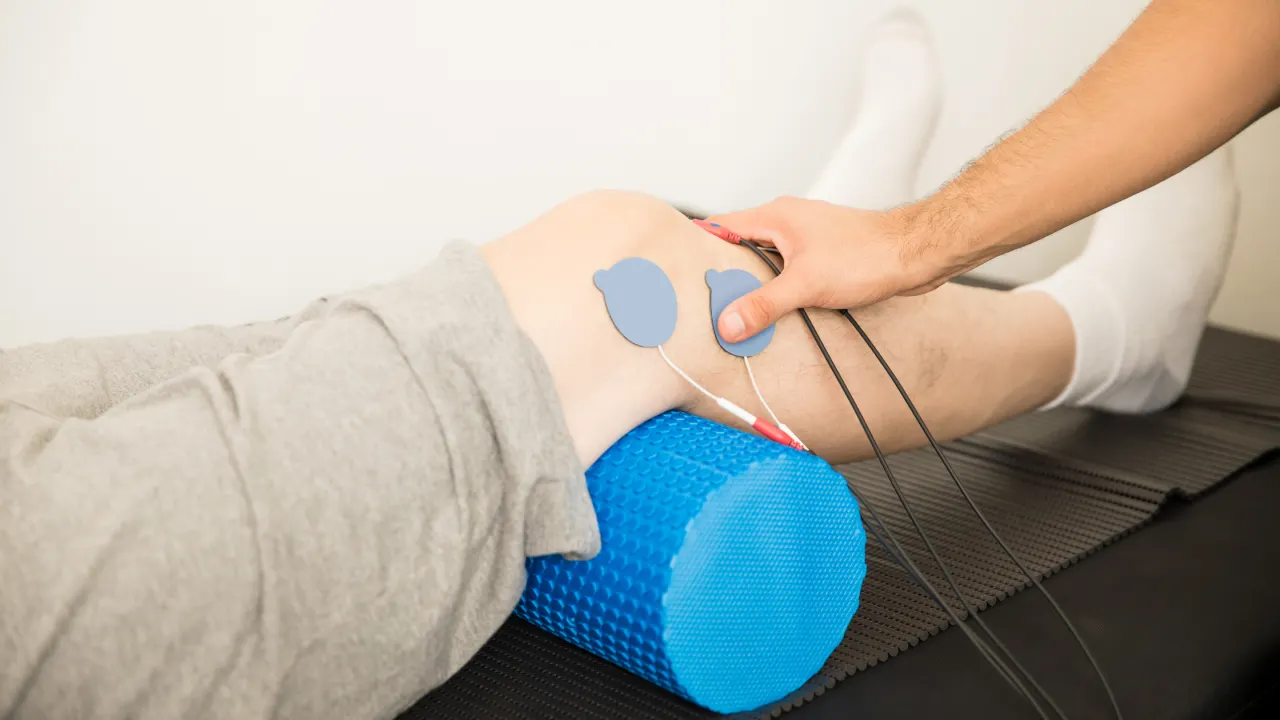
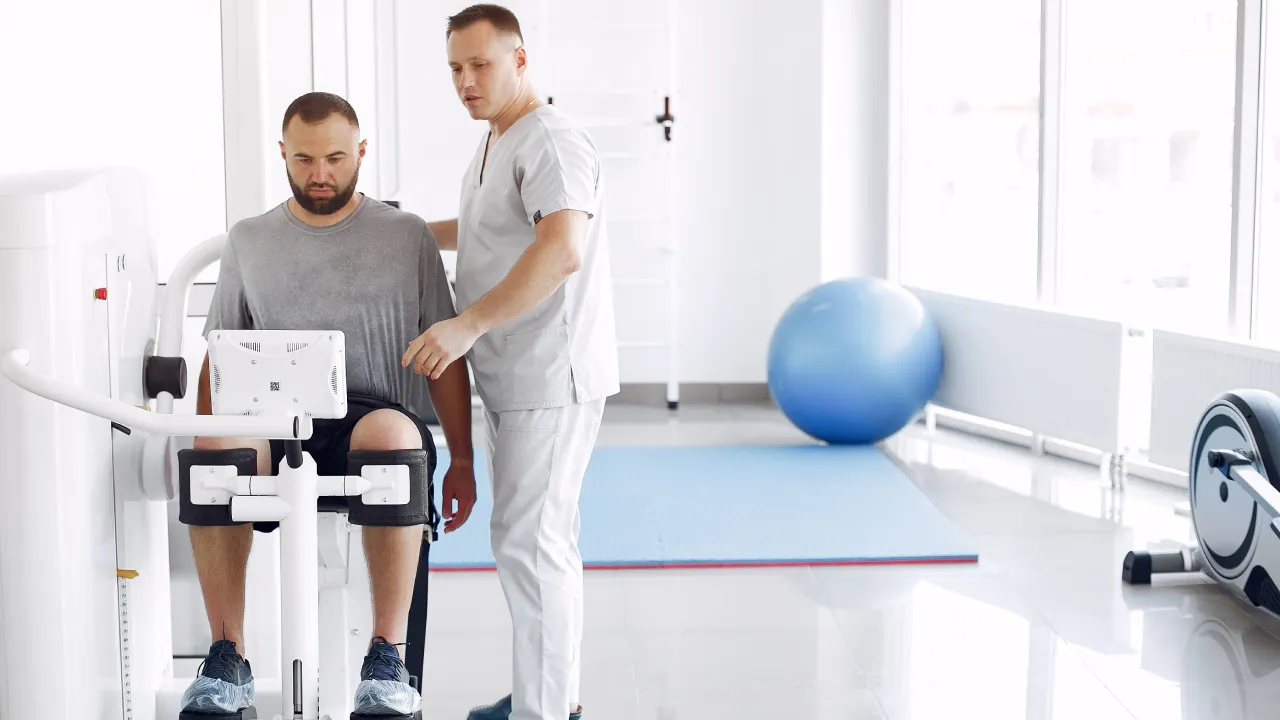
When someone begins Chronic Pain Treatment, physiotherapy typically focuses on restoring controlled movement and reducing strain on affected tissues.
These steps aim to help the body relearn efficient movement patterns and reduce ongoing strain.
Many people unintentionally slow down recovery by repeating certain patterns. These include:
These habits can increase the risk of chronic pain later, as the body may adapt to incorrect movement patterns over time.
In Beaumont, Alberta, many residents maintain active routines that include sports, physical work, and outdoor activity. These patterns can repeatedly stress joints and muscles, especially after an injury.
Because of this, Chronic Pain Treatment is often explored by individuals who notice that pain continues while trying to stay active. Work environments that involve lifting, standing, or repetitive motion can also contribute to ongoing discomfort.
As a result, Chronic Pain Treatment clinic services are frequently sought by people who want structured support for movement recovery in this region.
If discomfort continues for several weeks without steady improvement, Chronic Pain Treatment may be considered to evaluate movement and function.
Yes, physiotherapy for chronic pain focuses on movement retraining and strength work, which can help manage symptoms from older injuries.
Recovery timelines vary depending on the injury history and activity level. Chronic Pain Treatment duration depends on how the body responds to movement-based care.
Sprains, strains, back injuries, shoulder issues, and repetitive stress injuries can sometimes progress into situations requiring Chronic Pain Treatment.
Ongoing discomfort after an injury should not be ignored, especially when it affects movement, work, or daily tasks. Early assessment can help identify whether Chronic Pain Treatment is needed and what steps may support recovery progress.
If symptoms persist, consider visiting Aim Physiotherapy and Wellness at 5305 Magasin Ave #115, Beaumont, AB T4X 1V8, Canada. The clinic provides assessment and movement-focused care options for Chronic Pain Treatment in the Beaumont area.
Reach out to book a visit or speak with the clinic team to explore next steps for your condition.