Give us a Call
(780) 801-3669
Living with ongoing pain can affect nearly every aspect of daily life. Simple activities such as walking, working, exercising, driving, or even sleeping can become difficult when discomfort persists for weeks, months, or years. Many people assume they must simply live with recurring pain, but that is not always the case.
Chronic pain management focuses on addressing persistent pain and the factors that contribute to it. Through physiotherapy and movement-based rehabilitation, individuals can improve Mobility, restore function, and regain Confidence in their daily activities. At Aim Physiotherapy in Beaumont, patients receive individualized care designed to help them manage ongoing pain and improve overall quality of life.
Chronic pain management involves assessing and addressing pain that continues long after an injury, condition, or physical irritation would normally be expected to heal. Chronic pain may affect muscles, joints, nerves, ligaments, and other structures throughout the body.
Rather than focusing solely on symptoms, physiotherapists work to identify underlying movement limitations, strength deficits, Mobility restrictions, and lifestyle factors that may contribute to ongoing discomfort.
Common conditions associated with chronic pain include:
Understanding the source of pain is often the first step toward improving physical function.
Chronic pain can develop for many reasons. In some cases, it begins after an injury that never fully resolves. In other situations, repetitive movements, poor Posture, or ongoing physical stress may gradually contribute to discomfort.
Common causes include:
Over time, the body may compensate for painful areas by changing movement patterns, which can place additional stress on surrounding muscles and joints.
Persistent pain often affects much more than physical comfort. It can influence Mobility, productivity, sleep quality, and participation in everyday activities.
One major goal of Chronic pain management is improving movement. Pain often leads people to avoid certain activities, which can cause stiffness and reduced flexibility.
Physiotherapy helps restore Mobility through:
Improved Mobility can make daily tasks easier and more comfortable.
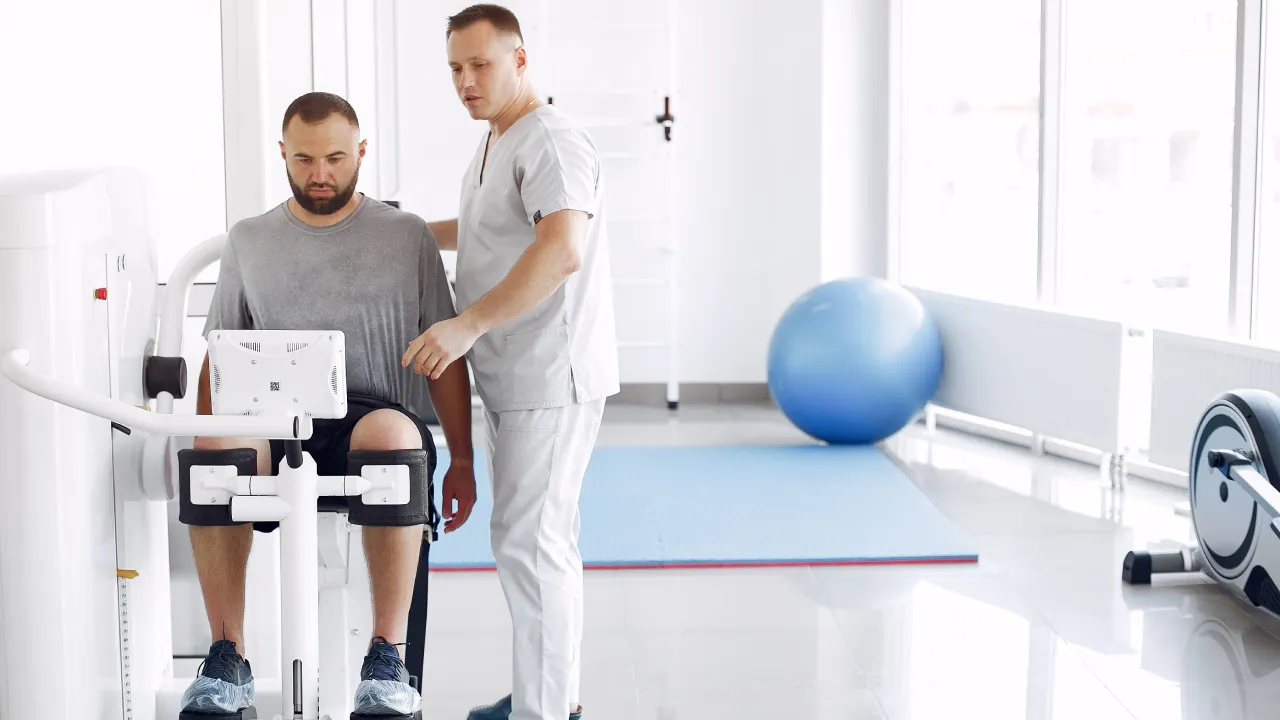
Pain often weakens muscles by reducing activity levels. Strength-focused rehabilitation helps support joints and improve overall body mechanics.
As strength improves, individuals often find it easier to perform routine activities without excessive strain.
Many people with chronic pain stop participating in activities they once enjoyed. Rehabilitation programs help patients gradually return to physical activities by improving movement quality and physical capacity.
This can positively impact work, exercise, hobbies, and daily responsibilities.
Ongoing discomfort often interferes with sleep quality. Addressing Mobility restrictions, muscle tension, and movement dysfunction may help reduce nighttime discomfort and improve rest.
Better sleep supports both physical and mental wellbeing.
A structured treatment plan helps individuals move more confidently and remain physically active. Regular movement plays an important role in supporting long-term health and function.
Every patient presents unique symptoms and challenges. Treatment plans are developed based on individual needs and goals.
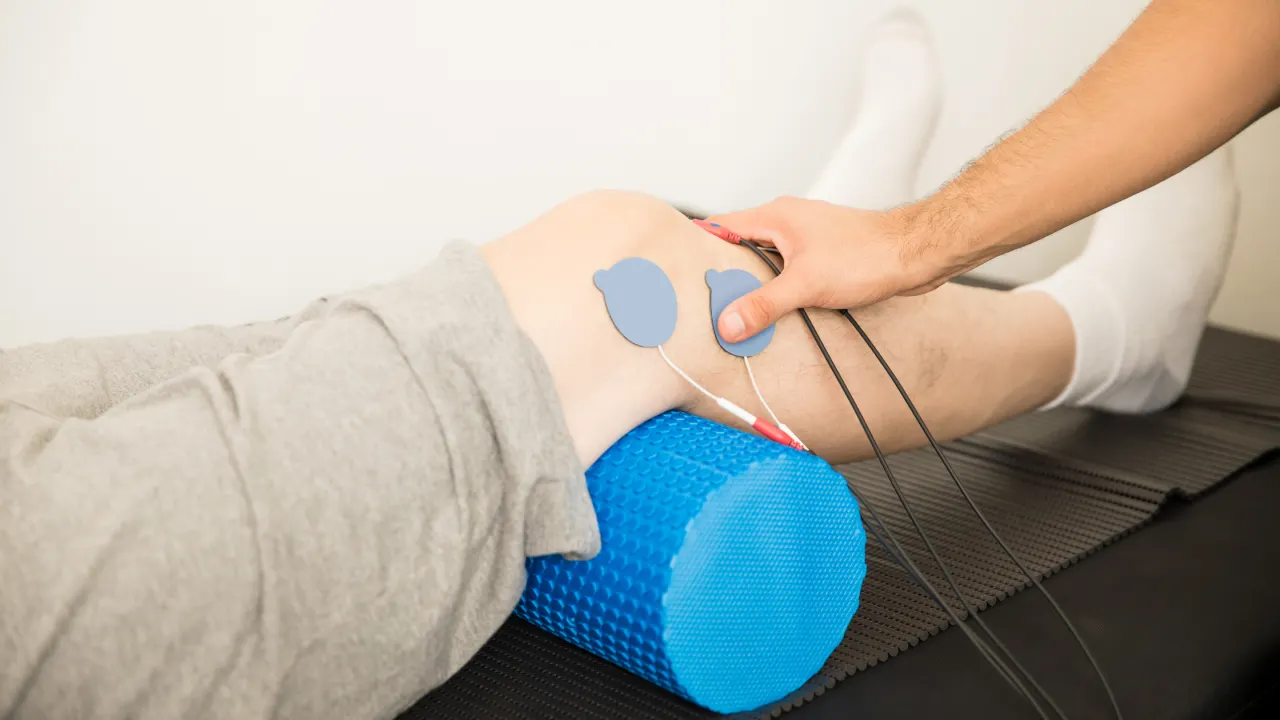
Chronic pain management through physiotherapy may include:
Physiotherapists evaluate:
This assessment helps identify factors contributing to ongoing discomfort.
Targeted exercises help improve:
Exercise progression is carefully adjusted based on individual tolerance and recovery goals.
Restricted joints and tight muscles can contribute to recurring discomfort. Mobility-focused exercises help improve movement efficiency and reduce physical limitations.
Patients learn practical strategies to support daily functioning and reduce unnecessary strain during work, exercise, and household activities.
Individuals who participate in structured rehabilitation programs often experience a variety of benefits.
These may include:
Addressing chronic pain proactively can help prevent further physical limitations from developing over time.
At Aim Physiotherapy in Beaumont, patients receive individualized treatment plans focused on improving function, mobility, and daily comfort. The clinic takes a movement-based approach, identifying contributing factors rather than simply addressing symptoms.
Whether you are dealing with recurring back pain, joint stiffness, nerve-related discomfort, or movement limitations, the team works to create a rehabilitation program that supports your goals and lifestyle.
Persistent pain can affect Mobility, sleep, work performance, and overall wellbeing. Fortunately, many individuals can improve their physical function through structured rehabilitation and movement-focused care.
Chronic pain management helps address the factors contributing to ongoing discomfort while supporting strength, Mobility, and daily activity levels. By identifying movement limitations and developing targeted rehabilitation strategies, physiotherapy can help individuals regain Confidence and improve their quality of life.
If ongoing discomfort is affecting your routine, Chronic pain management at Aim Physiotherapy in Beaumont may help you move more comfortably and participate more fully in the activities that matter most.
Chronic pain generally refers to pain that continues for several months or longer, often beyond the expected healing timeline of an injury or condition.
Yes. Physiotherapy focuses on improving movement, strength, Mobility, and function while addressing factors that contribute to persistent discomfort.
It may help individuals experiencing ongoing back pain, neck discomfort, joint pain, arthritis-related stiffness, nerve irritation, repetitive strain injuries, and post-surgical limitations.
The timeline varies depending on the cause of the pain, individual health factors, and treatment goals. A physiotherapist can provide a more accurate estimate after an assessment.
Many physiotherapy clinics accept patients without a referral, although some insurance providers may have specific requirements.