Give us a Call
(780) 801-3669
A deep-tissue massage can support muscle recovery, reduce stiffness, and improve movement when it is part of a well-planned care programme. Whether you are dealing with muscle tension from work, sports, or daily activities, preparing for your session and following the right aftercare steps can make a noticeable difference.
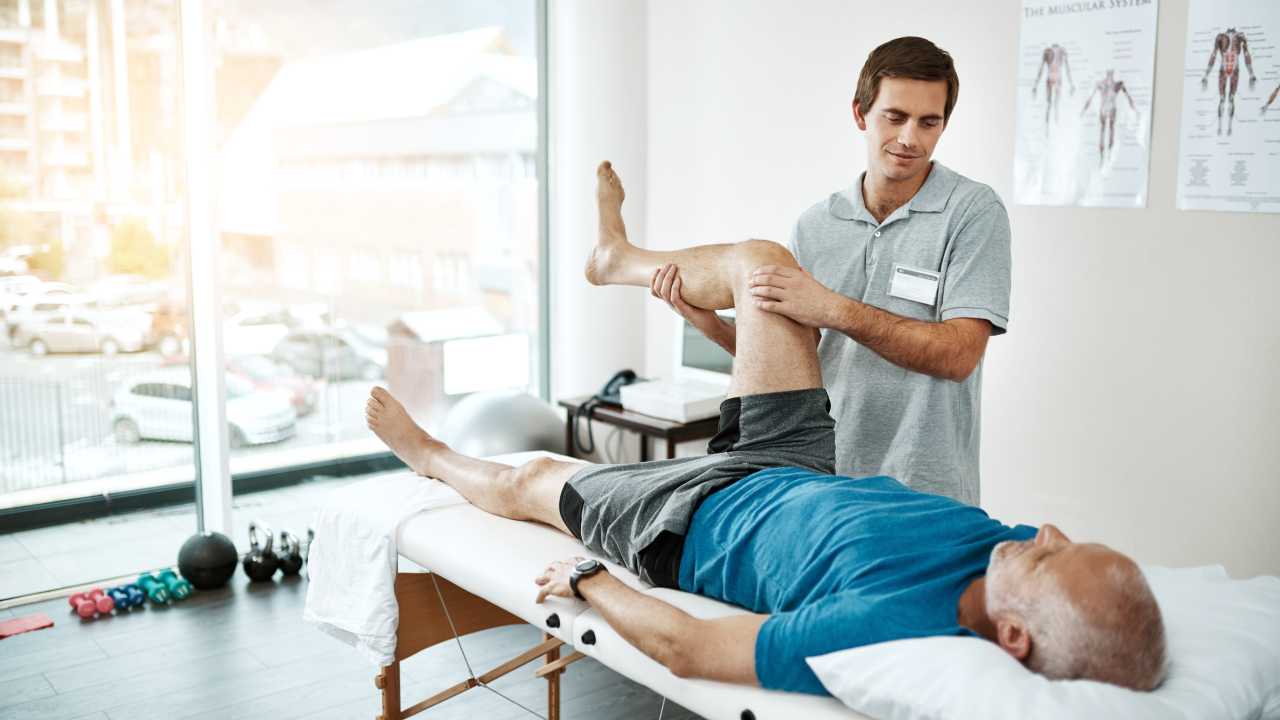
At Beaumont. Aim Physiotherapy in Beaumont: clients receive hands-on care that focuses on improving mobility, easing muscle tightness, and supporting physical function. Knowing what to do before and after your appointment helps you get more from every visit and lets your body respond naturally to treatment.
Many people arrive for a massage without knowing how small actions before the session can influence comfort and results. Preparing your body allows the therapist to work on muscles more efficiently while helping you feel relaxed throughout the appointment.
A few simple habits before your visit can improve your overall session and make recovery smoother afterward.
Preparing for a deep-tissue massage does not require major changes to your routine. Instead, focus on keeping your body comfortable and ready for treatment.
Drink water throughout the day before your appointment. Well-hydrated muscles often respond more comfortably during massage therapy.
Hydration may help:
Avoid drinking large amounts immediately before your session, but aim to stay hydrated during the day.
Avoid arriving with either a completely empty stomach or after eating a heavy meal.
Choose light foods such as:
Eating lightly helps you remain comfortable while lying on the massage table.
Loose-fitting clothing makes it easier to change before and after your appointment. Comfortable clothes also help you feel relaxed once the session is complete.
This is especially useful if you plan to return to work or continue your daily routine after visiting Beaumont. Aim Physiotherapy in Beaumont.
Tell your therapist about:
Open communication allows your therapist to adjust pressure and techniques according to your current condition.
Arriving early allows time to complete any paperwork, discuss your concerns, and settle in before treatment begins.
Feeling rushed can make muscles tense before the session even starts.
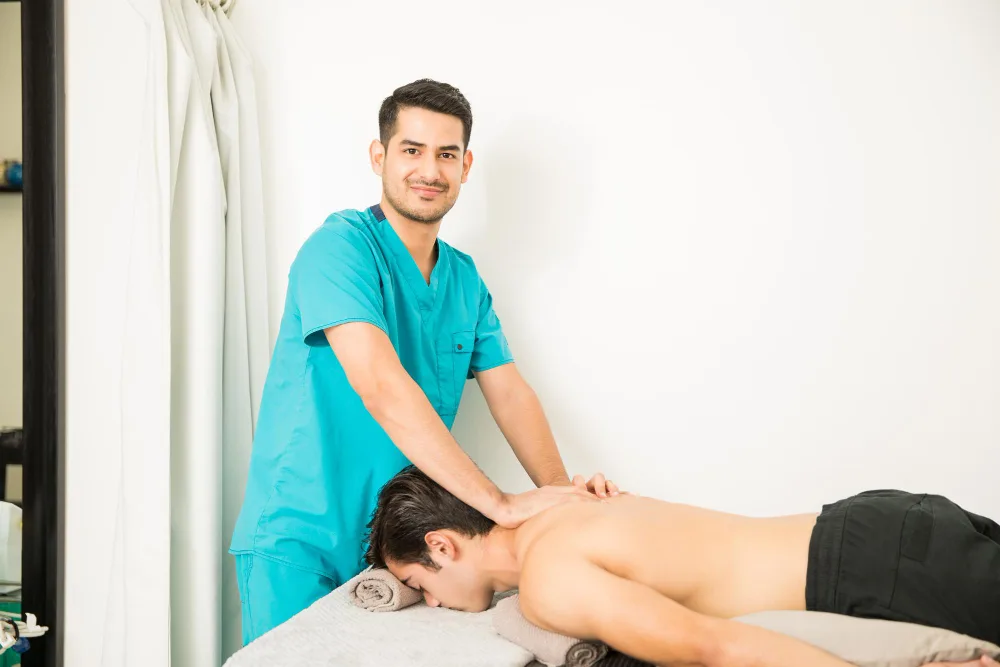
During a deep-tissue massage, the therapist works on deeper muscle layers and connective tissues using slow, controlled pressure.
Depending on your condition, treatment may focus on:
You may notice areas of tenderness while tight muscles are being addressed. Communication is important throughout the session. Let your therapist know if the pressure feels uncomfortable so adjustments can be made.
Aftercare plays an important role in helping your body respond well following treatment.
Hydration remains important after your appointment.
Water supports your body's normal recovery process and helps maintain healthy muscle function following massage therapy.
Keep drinking water during the rest of the day rather than all at once.
Although many people feel refreshed after treatment, your muscles have still been worked thoroughly.
If possible:
Gentle movement is usually a suitable choice after your appointment.
Light stretching may help maintain flexibility and reduce muscle tightness after treatment.
Simple stretches for the treated areas can encourage comfortable movement without placing unnecessary stress on the muscles.
Avoid aggressive stretching immediately after your session.
Some people experience mild soreness for one or two days after a deep-tissue massage.
This response is generally temporary and may feel similar to post-exercise muscle fatigue.
You can usually manage mild soreness by doing the following:
If soreness feels unusual or continues for several days, contact your therapist for advice.
Your body needs time to adjust following massage therapy.
For the remainder of the day, try to avoid:
Instead, focus on light activity, hydration, and rest.
The right schedule depends on several factors, including:
Some people benefit from regular appointments, while others attend only when muscle tension becomes noticeable.
A therapist at Beaumont. Aim Physiotherapy can recommend a schedule that matches your physical condition and daily activities.
Massage therapy may be suitable for people who regularly experience:
Combining massage therapy with stretching, exercise, and physiotherapy may support improved movement and physical function.
Choosing a clinic that focuses on physical function and recovery helps you build healthy movement habits over time.
At Beaumont. Aim Physiotherapy, clients receive care aimed at improving mobility, reducing muscle tension, and supporting everyday activities. The clinic serves individuals from Beaumont and nearby communities who are looking for hands-on treatment for muscle stiffness, movement limitations, and physical recovery.
Whether you spend long hours at a desk, perform physically demanding work, or participate in recreational sports, massage therapy can become an important part of your wellness routine when combined with appropriate exercise and movement strategies.
Preparing before your appointment and following simple aftercare habits can improve your overall massage experience. Drinking enough water, arriving relaxed, communicating with your therapist, allowing time for recovery, and staying active with gentle movement all contribute to positive outcomes.
If you are considering a deep-tissue massage, Beaumont is the place to go. Aim Physiotherapy in Beaumont provides hands-on care that supports muscle health, flexibility, and daily movement. A deep-tissue massage becomes even more valuable when paired with proper preparation and thoughtful aftercare, helping you stay active and comfortable in your daily routine.