Give us a Call
(780) 801-3669
Back discomfort can make simple daily activities feel difficult, from getting out of bed and sitting at a desk to walking, bending, lifting, or climbing stairs. While the cause and severity can vary from person to person, practical habits and appropriate care can support smoother movement and help you manage daily activities.
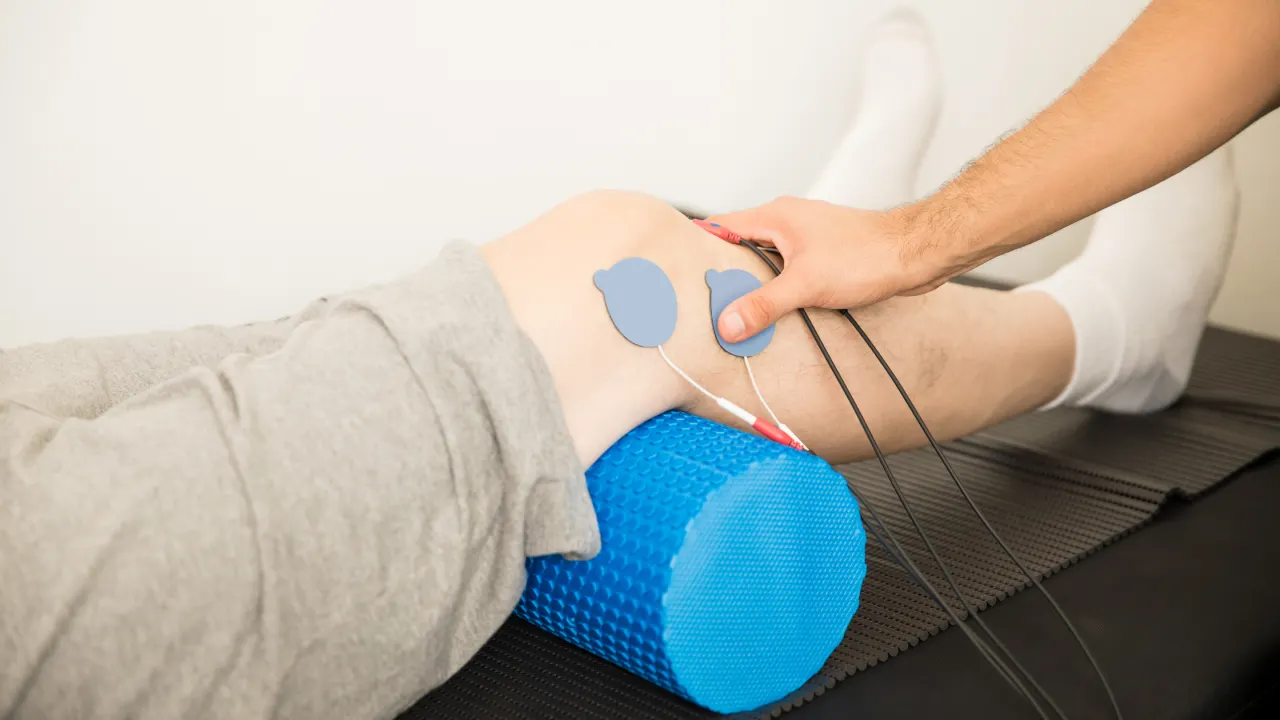
Back Pain Treatment may include physiotherapy, movement exercises, mobility work, strengthening activities, posture changes, and advice for managing everyday tasks. At Aim Physiotherapy and Wellness in Beaumont, AB, care can focus on identifying movement limitations and creating a plan that fits your daily routine.
Whether your back discomfort started after physical activity, prolonged sitting, repetitive work, or another factor, learning how to move safely and maintain regular activity can play an important role in your recovery process.
Posture can influence how your back handles everyday activities. Sitting for several hours with your head forward, shoulders rounded, or lower back unsupported may place additional stress on certain areas.
Start by checking your sitting position throughout the day. Keep both feet supported, position your screen at a comfortable height, and avoid staying in one position for too long. If your work involves sitting, take short movement breaks throughout the day.
When standing, try to distribute your weight evenly between both feet. Avoid repeatedly leaning to one side or maintaining the same position for extended periods.
During Back Pain Treatment, a physiotherapist may assess how your posture affects movement and suggests practical adjustments for work, home, and other daily activities.
When your back feels uncomfortable, it may be tempting to avoid movement altogether. However, prolonged inactivity can make everyday movement feel more difficult.
Gentle walking is one simple way to stay active. Short walks around your home, workplace, or neighbourhood can help you maintain regular movement without requiring complex equipment.
You can also break larger activities into smaller periods. For example, instead of remaining seated for several hours, stand up periodically, walk around, and change positions.
The right level of activity depends on your symptoms, physical condition, and the cause of your back problem. A physiotherapist can help determine which movements are appropriate during Back Pain Treatment.
Your abdominal, back, hip, and pelvic muscles contribute to stability during many everyday movements. Weakness or poor coordination in these areas can affect how you perform tasks such as lifting, reaching, walking, and climbing stairs.
A structured strengthening routine may include exercises such as
Exercises should be selected according to your current abilities. Performing an exercise with poor technique or progressing too quickly may increase discomfort.
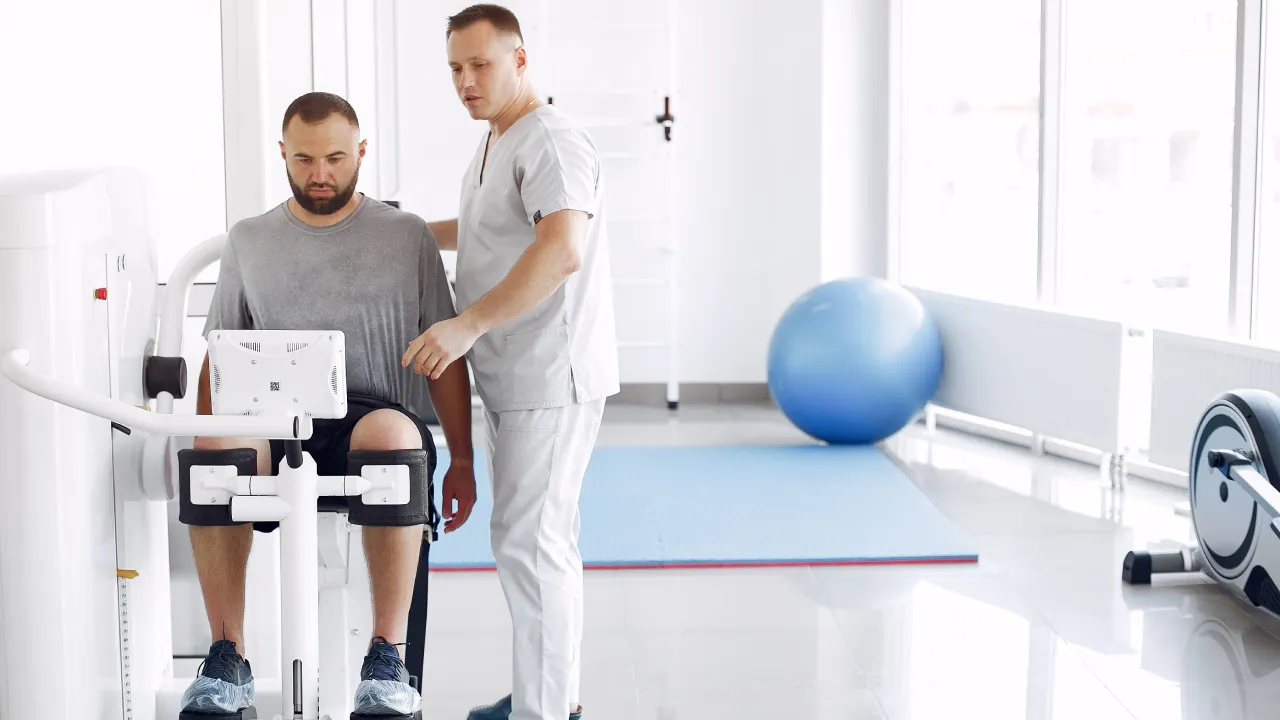
During Back Pain Treatment, your physiotherapist can assess your movement and recommend exercises that match your current condition. The focus can then gradually shift toward improving strength, control, mobility, and confidence with everyday tasks.
Lifting is a common part of household chores, workplace duties, and recreational activities. Poor lifting mechanics or suddenly handling a load that is too heavy can contribute to back strain.
Before lifting an object, consider its weight and position. Move closer to the object rather than reaching from a distance. Keep the load close to your body, use your legs when appropriate, and avoid twisting while carrying.
If an object is too heavy or awkward to move safely, ask someone for assistance or use suitable equipment.
Learning proper lifting mechanics can be an important part of Back Pain Treatment, particularly for people whose work or daily routine involves frequent lifting.
Long periods of sitting or standing can make your back feel stiff. This is particularly relevant for people who work at a computer, drive for extended periods, or perform stationary tasks.
Try setting regular reminders to change position. A short walk, gentle stretch, or simple standing movement can break up periods of inactivity.
For office workers, small workstation changes may also help. Adjust your chair, monitor, keyboard, and desk height so that you can work in a comfortable position.
Movement breaks do not need to be lengthy. Consistency throughout the day is often more practical than waiting until discomfort becomes significant before changing position.
Physiotherapy exercises are often most useful when they become part of a routine. Skipping exercises for several days and then completing a large amount at once may not be as practical as following a steady schedule.
Keep track of your exercises and follow the frequency recommended by your physiotherapist. Pay attention to how your body responds and communicate any changes in symptoms.
Your program may change as your mobility, strength, and activity tolerance develop. During Back Pain Treatment, regular reassessment can help determine whether exercises should be progressed, modified, or replaced.
Consistency also allows you to build movement habits that can fit naturally into your everyday routine.
Back discomfort does not only affect exercise. It can influence how you sleep, work, drive, clean your home, shop for groceries, or spend time with family.
Consider how you perform activities that repeatedly involve bending, reaching, lifting, or prolonged sitting. Small adjustments can make these tasks easier to manage.
For example, keep frequently used items within a comfortable reaching range, alternate tasks when possible, and avoid remaining in one position for extended periods.
A physiotherapist can also teach movement strategies for specific activities. This practical approach can make Back Pain Treatment more relevant to the activities you actually perform each day.
Exercise can play an important role in managing many types of back problems. Depending on the cause of your symptoms, an exercise program may focus on mobility, strength, flexibility, coordination, balance, or general physical activity.
Exercise can also help you become more confident with movement. When appropriate activities are introduced gradually, you may become more comfortable performing everyday tasks such as walking, sitting, bending, and lifting.
However, not every exercise is appropriate for every person. The right exercises depend on factors such as the source of the problem, current symptoms, physical capacity, previous injuries, and daily demands.
A physiotherapist can assess your movement and help establish an exercise routine that fits your needs. During Back Pain Treatment, exercises may be adjusted as your abilities change.
If a particular movement causes significant or worsening symptoms, stop and discuss it with a qualified healthcare professional rather than continuing through increased discomfort.
Back problems can develop for many different reasons. Some cases are related to muscles and joints, while others may involve the spine, nerves, lifestyle factors, or an underlying health condition.
Common causes include:
Lifting, sudden movements, repetitive activities, or physical overexertion can strain muscles or supporting tissues around the back.
Spending many hours in one position can contribute to stiffness and discomfort, especially when combined with limited physical activity.
Repeatedly bending, lifting, twisting, or reaching with inefficient movement patterns may place additional stress on the back.
Reduced strength in the trunk, hips, and legs can affect movement control during everyday activities.
Changes involving the spinal discs can sometimes contribute to back discomfort and may also be associated with symptoms extending into the legs.
Age-related changes in spinal joints can affect mobility and may contribute to stiffness or discomfort.
Limited activity can reduce overall strength, mobility, and tolerance for everyday physical demands.
Starting a new exercise routine, sport, job task, or physically demanding activity too quickly can place extra stress on the back.
Because many conditions can produce similar symptoms, an assessment can help determine what may be contributing to your problem and whether physiotherapy is appropriate.
Some back problems improve with simple activity changes and time, while others require assessment. Consider speaking with a healthcare professional if symptoms persist, repeatedly return, interfere with daily activities, or make movement increasingly difficult.
Seek prompt medical attention for back symptoms accompanied by serious warning signs such as significant weakness, loss of bladder or bowel control, numbness around the groin or saddle region, unexplained weight loss, fever, or severe symptoms following significant trauma.
A physiotherapy assessment can help identify movement limitations and determine whether physiotherapy is appropriate for your situation. Back Pain Treatment can then focus on practical strategies that support movement and daily function.
The time required varies according to the cause, severity, duration of symptoms, activity level, and individual response to care. Some people may notice changes within a relatively short period, while others may require a longer rehabilitation program.
Exercise is commonly included in physiotherapy programs, but the type and intensity should match the person's condition. A physiotherapist can determine which movements are suitable and how they should progress.
Long periods of sitting may contribute to stiffness and discomfort, particularly when combined with limited movement. Regular position changes and short movement breaks can help reduce prolonged static positioning.
Not necessarily. Some movement may be appropriate, but the activity should match your condition. If exercise causes significant or worsening symptoms, stop the activity and consult a healthcare professional.
Physiotherapy may help address factors such as strength, mobility, movement habits, and activity tolerance. Your physiotherapist can assess your situation and determine whether physiotherapy is appropriate for you.
Back discomfort can affect work, exercise, household activities, and simple daily movement. Taking practical steps such as staying active within your comfort level, improving movement habits, strengthening supporting muscles, and taking regular breaks can help you manage everyday demands.
If you are looking for Back Pain Treatment in Beaumont, AB, Aim Physiotherapy and Wellness can assess your movement, discuss your concerns, and help establish a physiotherapy plan based on your current needs and daily activities.
Contact Aim Physiotherapy and Wellness in Beaumont, AB, to book an assessment and discuss your back concerns with a physiotherapy professional.
Phone: +1 780 801-3669
Address: 115-5305 Magasin Ave, Beaumont, AB T4X 1V8